Planting and transplanting
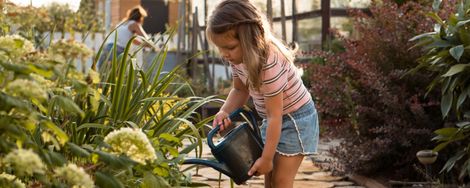
As long as there is no frost in the ground, you can plant and transplant trees, plants and shrubs this month. Most have already lost their leaves, so now is the best time to (re)plant them. Do not leave the roots out of the soil and in the cold for too long. And mix some compost into the soil to give the plants or trees a good start in their new place.
It’s also your last chance to plant spring-flowering bulbs like tulips, hyacinths, crocuses and daffodils. Don’t wait too long with this since the sooner they go into the ground now, the better.
Pruning
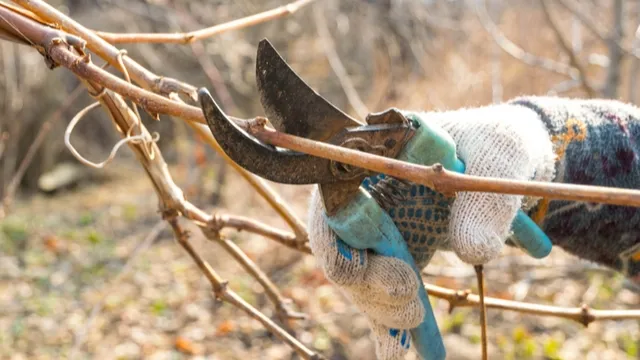
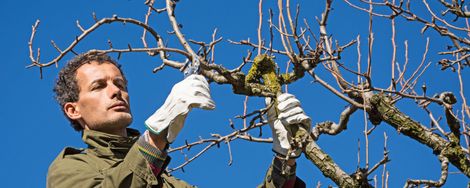
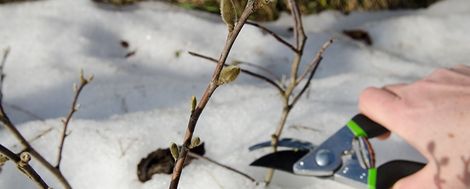
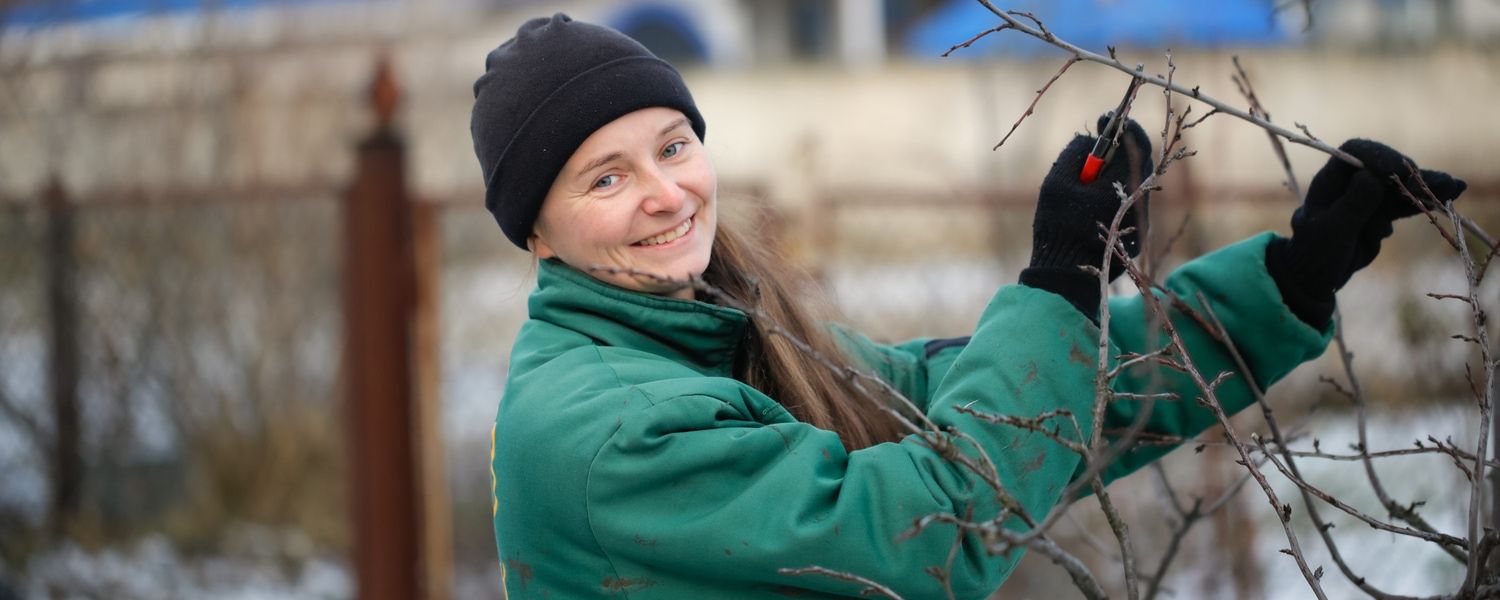
December is the month to prune fruit trees. Only cherries should be left alone. It is best to prune them after harvest. But for apple and pear trees, hawthorn, currants, blackberries, kiwi, grapes and berry-bearing shrubs, now is the time to prune. The same goes for plane trees, lime trees and several other tree species. Maple, birch, hornbeam and walnut trees can only be pruned at the beginning of this month. In these types of trees, the sap flow starts soon after the shortest day, causing them to bleed too much when pruned. It is better to wait with the topiary until they are in leaf again.
Give lime
Fruit trees, grapes, and roses, for example, benefit from some extra lime in December. Also, sprinkle lime on your lawn. This prevents moss from growing and improves the soil structure, so that manure is better absorbed in the spring. Preferably do this on a windless rainy day.
The pond
The pond life has started a hibernation. You hardly see the fish anymore. If they do come up for food, you can give them a little bit since they don’t need anything else in the winter months. The only thing you have to watch out for is that the pond does not freeze over completely. At the very least, there should always be a gap. If you find the pond frozen over one morning, don’t chop into the ice, as that will panic the fish. Instead, make a hole using warm water.
Tip: A natural precaution against frost is to place reeds in the pond. Reeds have hollow stems and thus provide the water with oxygen, even if there is ice on it.
The vegetable garden
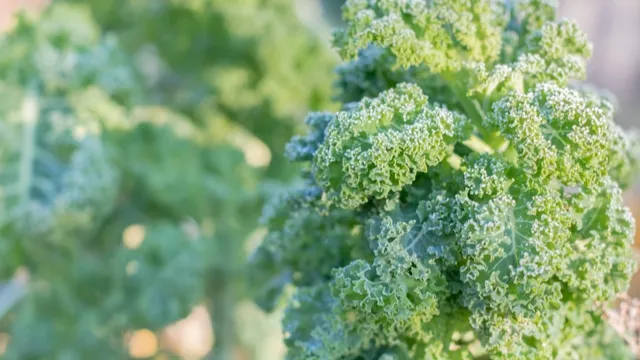
Green cabbages and Brussels sprouts from your garden are best when it has frozen. Frost converts the starch in these crops into sugars, which makes them tastier. As long as it has not yet frozen, you can lightly turn the soil in the vegetable garden. This is recommended, especially with heavy clay soil, to make it airier so that it does not close up due to rain and frost. Work in some compost, then you can immediately start planting and sowing in the spring.
Balcony and terrace
With patio heating, you can enjoy the outdoors on beautiful winter evenings. But also think of the view from behind the window or sliding door. Pots with winter violets, Christmas roses, skimmia, cyclamen and other winter bloomers bring colour and life to the terrace or balcony.
Christmas decorations
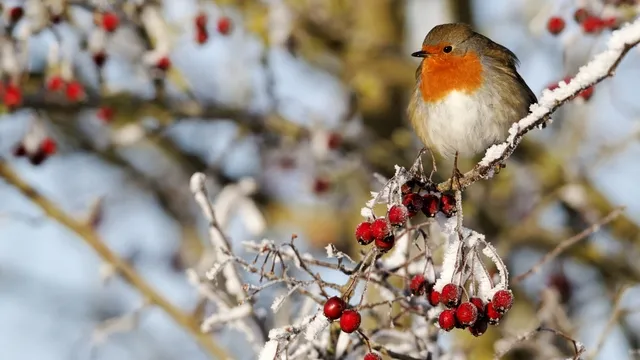
A stroll through your garden yields a harvest of greenery to make your own Christmas centrepieces. Plants that provide useful branches for this are holly, conifers, hedera, skimmia, privet, boxwood and yew. Holly, in particular, does well in Christmas decorations. Cut the branches as soon as they have berries, even if Christmas is still a few weeks away. If you leave them there, there is a chance that the birds will run off with the berries. On this Pinterest page, you will find a lot of Christmas centrepieces for inspiration.
And, of course, the days off around Christmas and New Year are great opportunities to make plans for the new gardening season. Browse the internet, get ideas, and create garden designs and planting schemes. Everything is possible, even in the harshest winter weather.