Which drill is perfect for you? The first consideration is: what type of DIYer are you? If you’re not particularly handy but occasionally want to hang up a lamp or a picture, you’ll need a different tool than if you have serious DIY plans.
Advice for occasional DIYers
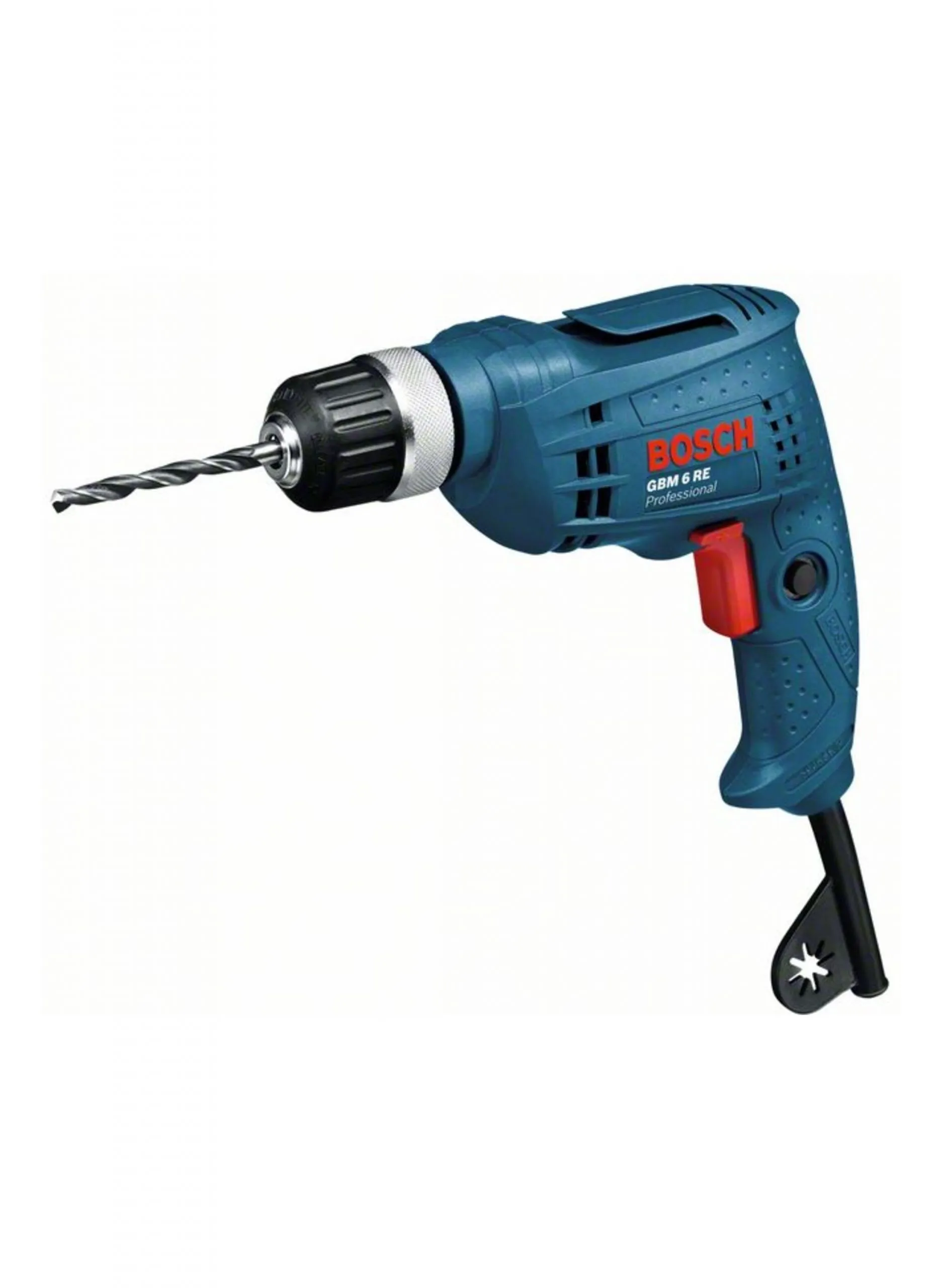
A basic drill screwdriver will serve you well; however, this doesn’t mean you should go for the cheapest one. Instead, opt for a beginner model from a professional brand. This ensures quality and good warranty terms. Professional tool brands typically offer a 3-year warranty on their products. If you purchase from Klium, an additional 2-year Klium warranty is added.
This Bosch model, for instance, offers a quick-change chuck, high speed, compact design, and lightweight construction. Add a set of drill and driver bits, and you can effortlessly drill and screw in wood, metal, and soft masonry. If you use your drill infrequently, you probably won’t have specific demands for accessories. Buying a full set — machine, drills, and accessories in a case — might be a cost-effective option.
Advice for demanding DIYers
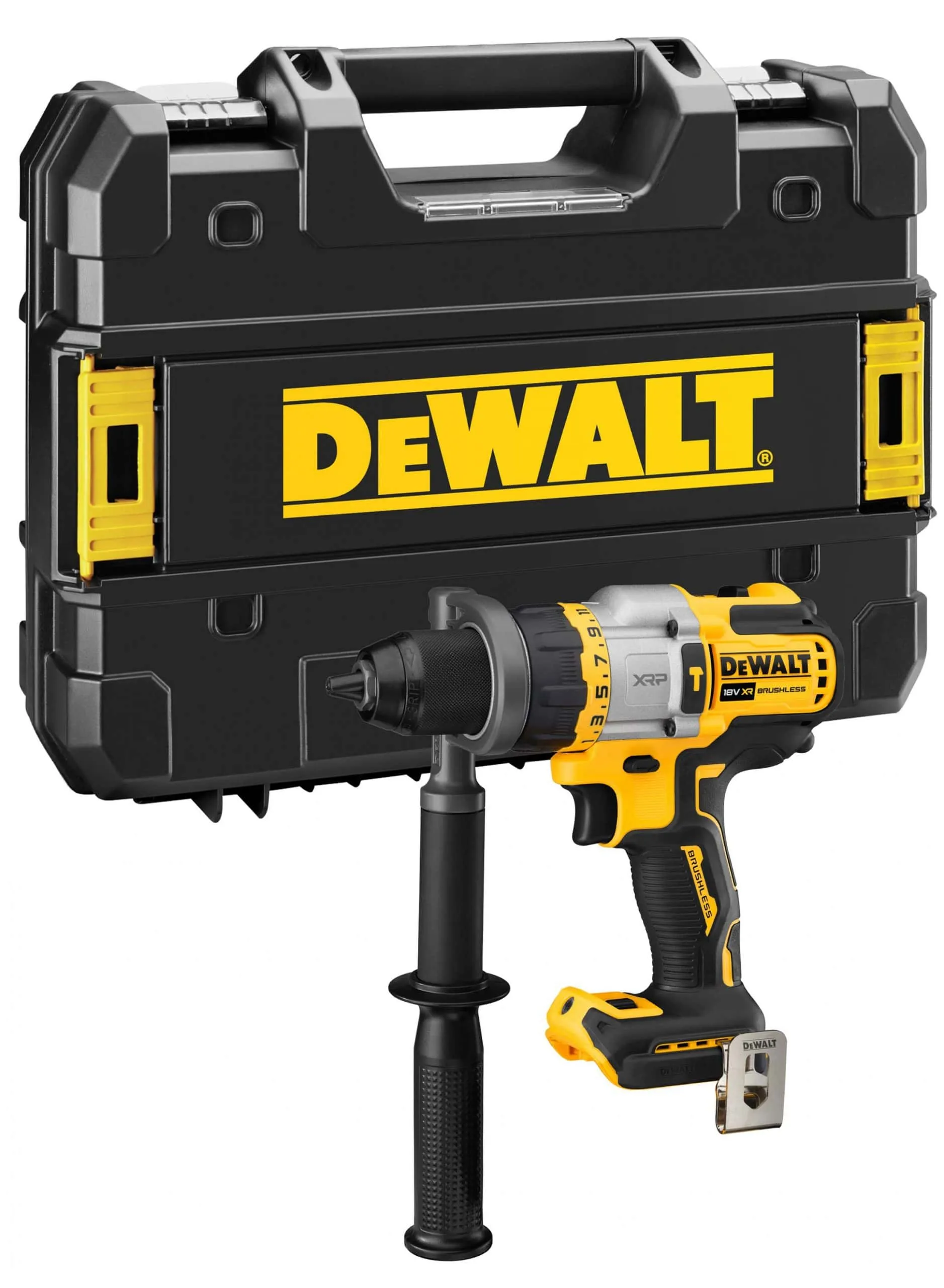
The expert’s first tip: opt for a hammer drill. This equips you for drilling into concrete and hard masonry. With the setting on ‘drill’, the tool functions just like a regular drill driver. When switched to ‘hammer’, the drill not only rotates but also moves powerfully up and down, much like a hammer pulverising stone.
With this DeWalt Flexvolt battery hammer drill, you’re in the company of professionals. The electronic torque mechanism with 11 settings gives you maximum control when drilling and screwing. With a power of 1296W, you’re ready for the toughest tasks.
Battery or cord?
The days when battery-operated tools had less power than their corded counterparts are gone. With the development of increasingly powerful Li-ion batteries, that distinction has disappeared. The choice between battery or mains power now comes down to convenience. A cordless drill offers the freedom to work anywhere without a pesky cord in the way. For professionals, cordless is increasingly the first choice. But a mains-powered drill has its benefits. They’re often more affordable compared to cordless ones with the same specs. Plus, there’s no need to worry about battery maintenance and storage. For the occasional DIYer, a mains-powered model remains a solid choice.