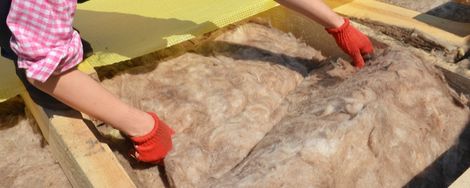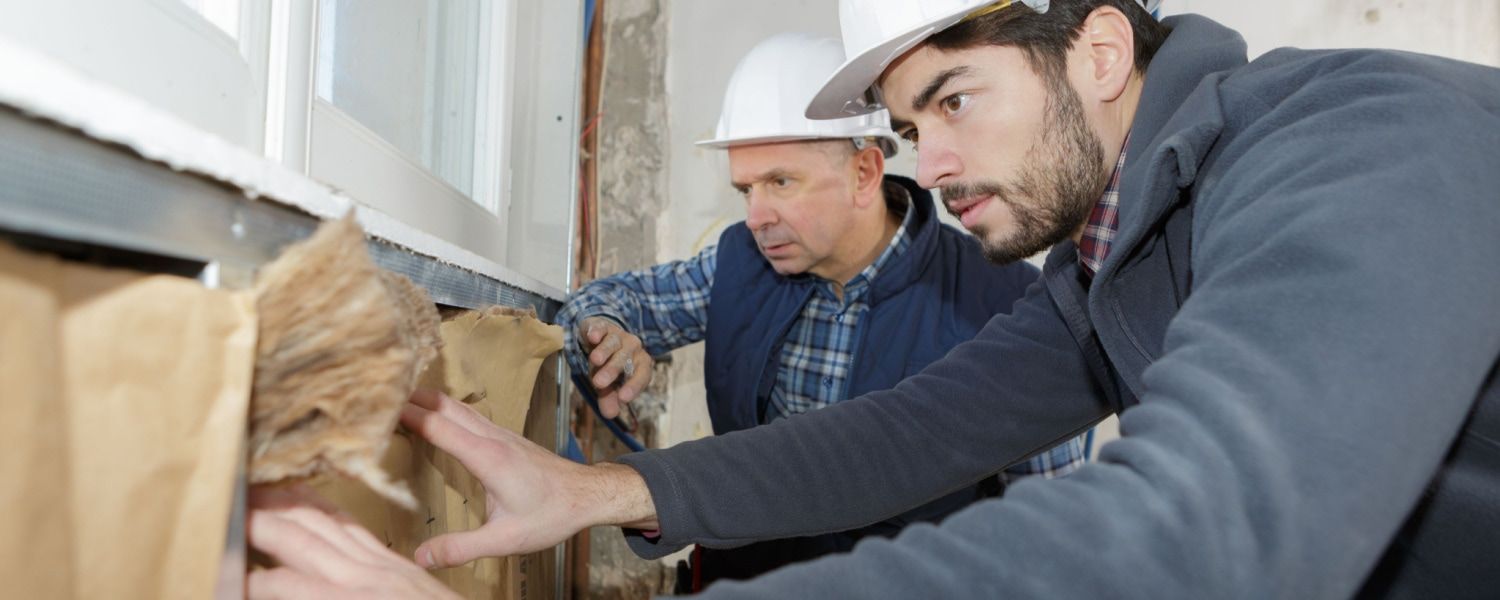
If you want to save energy or are just a shivery person in general, insulating your home can go a long way and prevent cold drafts from entering the house. Insulating your roof, floor, facade or windows help keeps the heat inside, and you end up using less energy to heat a home. While some insulation measures require a lot of preparation and a long work process, you can get others done in the blink of an eye.
Roof insulation
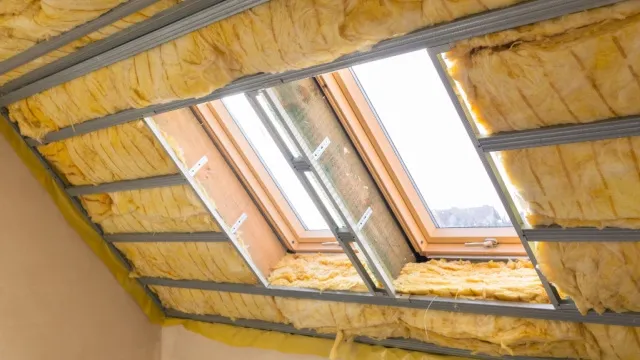
Insulating your roof yourself can be quicker than you think. If you plan to insulate your roof, we advise thoroughly researching the type of insulation you want and the material used in the house. Depending on the type of roof, pitched or flat, there are different ways to insulate a roof. You can choose to insulate only the inside, only the outside or both. Does your house have a pitched roof with tiles? If so, insulating the inside is easy to do yourself — provided you are handy. Since insulating a roof also requires taking into account the drainage and ventilation in the house, it is advisable to ask a professional for advice. This way, you avoid unnecessary leaks and maintain a healthy airflow. It is recommended to use glass wool or rock wool when insulating the inside of a roof.
Insulating seams and cracks yourself
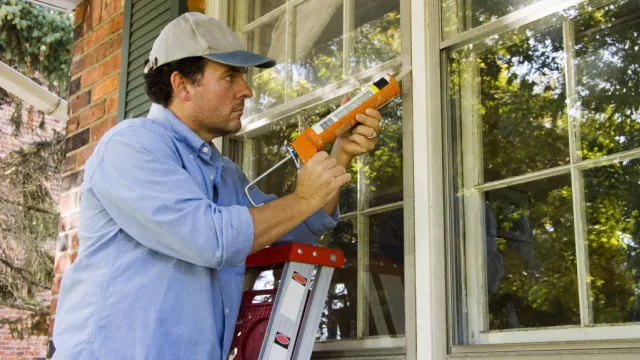
When insulating the windows in a home, it is crucial to look for the seams and gaps that cause draughts. A handy mnemonic to use is that seams are openings between the solid parts of your house, for example, between the roof and the wall, while gaps are mainly between the moving parts — think of openable doors or windows.
To properly seal the various seams and cracks, the choice of material is very important. There are many different insulation materials for seams and cracks. Look carefully at the properties of the seams and cracks you want to seal and choose the correct material for them.
For sealing small seams of up to 1 cm, a sealant is commonly used. Larger seams are best sealed with polyurethane foam. As PU foam expands, however, it is essential to apply it carefully and cut away excess foam as soon as it hardens to give a neat finish.
Cracks are generally often located near doors and windows. The best way to combat gaps is to apply draught strips to doors and windows, and don’t forget the letterbox. The front and back doors can also be fitted with door brushes to prevent draughts from coming under the door.
Use curtains to your advantage
It may not be the first thing you think of when insulating your home, but curtains can play a vital role in maintaining warmth. Keeping curtains closed at night makes it harder for cold outside air to get in. During the day, on the other hand, it is advisable to open the curtains so that the warm air from the heating does not get in the way.
Also, consider the piping
Many people fail to consider this easy hack. During the colder months, water pipes usually have hot water flowing through them, which generally cools down quickly and in no time. By placing rubber sheaths around the pipes, the heat is better preserved. Besides, constantly reheating the water costs more energy.