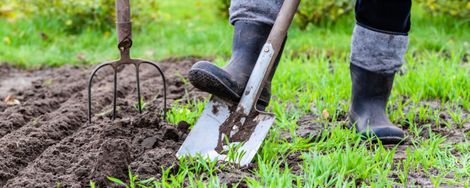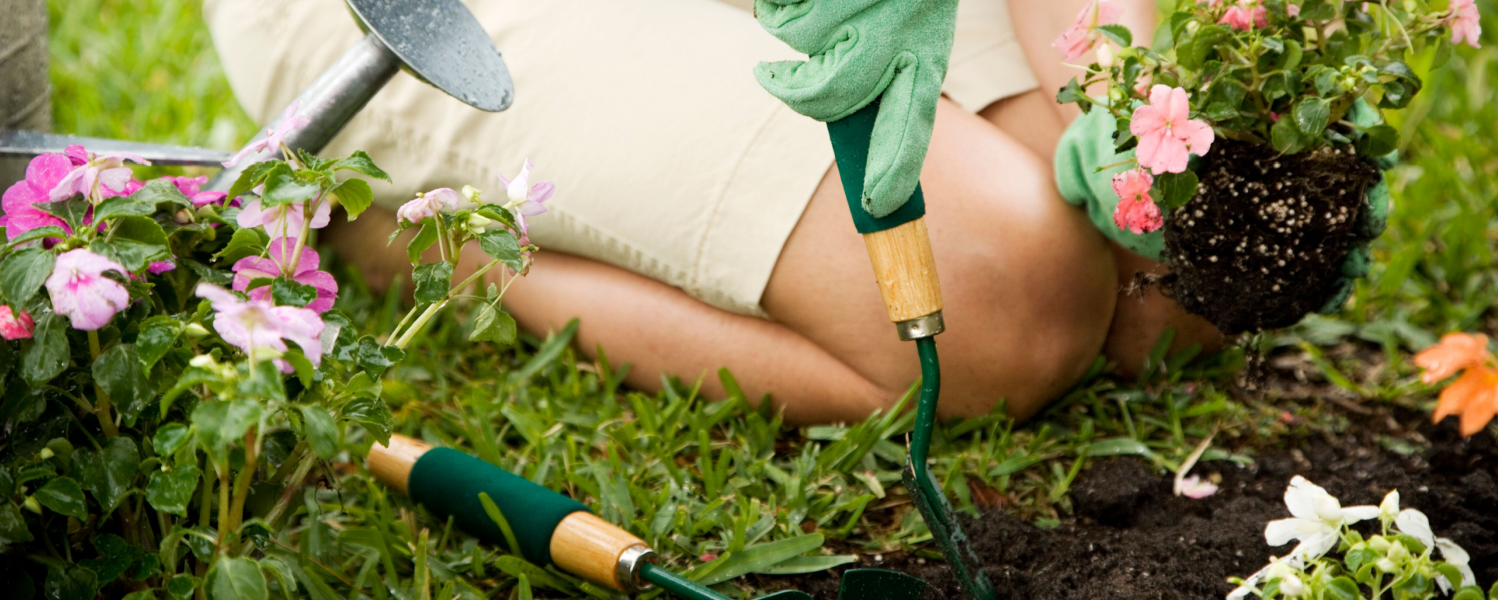
When the R is out of the month, outdoor life begins for garden owners. May brings long days and summer temperatures. If all goes well, time-consuming tasks, such as digging and creating new garden borders, are now done, and it’s time to enjoy the fruition of your hard work. However, if you’d like to make the most of May, besides sinking into the cushions of your garden chair, here are a few typical garden jobs perfect for this month.
The lawn in May
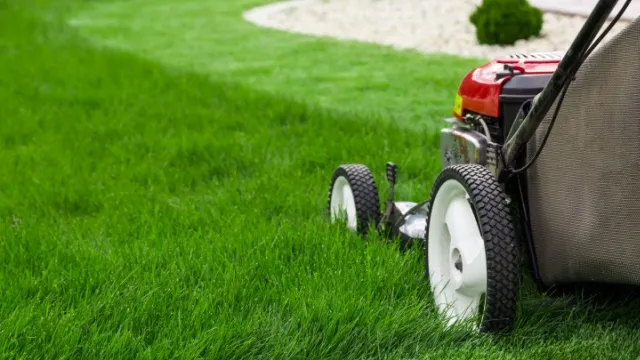
May is one of the two months when grass grows fastest, the other month being August. We recommend mowing once or twice a week to keep up with growth. Now is also the time to spread a long-acting organic lawn fertilizer. Check the weather forecast for rainy days — ideal for fertilization — and repeat the process next month. This way you give the turf the best protection for a long hot summer. Removing weeds, sowing bare spots and trimming the edges are other lawn chores for May.
Planting in May
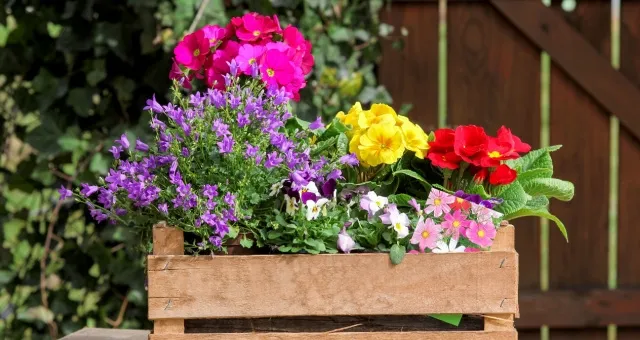
May is your last chance to plant summer-blooming bulbs. Summer-flowering annuals can be sown or planted directly on site. Perennials are better left alone until Autumn to avoid any pollen. May is also the best month to plant evergreen hedges. Scoop compost or good garden soil into the planting hole and water regularly for the first few weeks.
You can plant evergreen shrubs and conifers until mid-May. If you buy them with a root ball in a mesh cloth, do not remove this before planting. Instead, loosen the cloth and spread it on the bottom of the planting hole; this prevents the root ball from falling apart.
In May, you can fill your flower boxes and pots with summer bloomers. We advise topping geraniums and fuchsias a few times after planting to make them grow nicely bushy. Container plants you have overwintered can be placed outside again from May 15 — when the last chance of night frost has most likely passed. Check them carefully and treat any damage.
Pruning in May
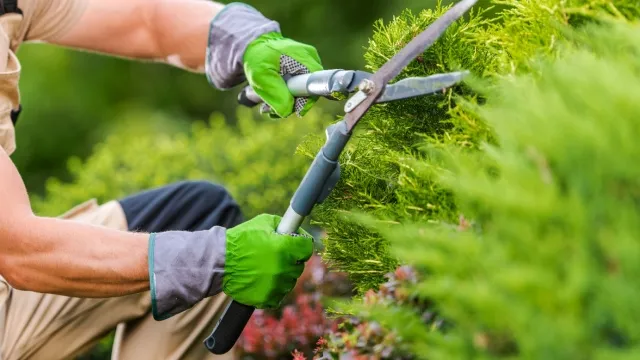
May is an ideal month to prune evergreen hedges such as boxwood, holly, privet and conifers. Although you can do this all summer, pruning early will allow the young shoots to develop better. Choose a cloudy day for your pruning to allow the wounds will heal faster. Bed roses and standard roses can now be pruned back to 3 to 5 buds.
The pond in May
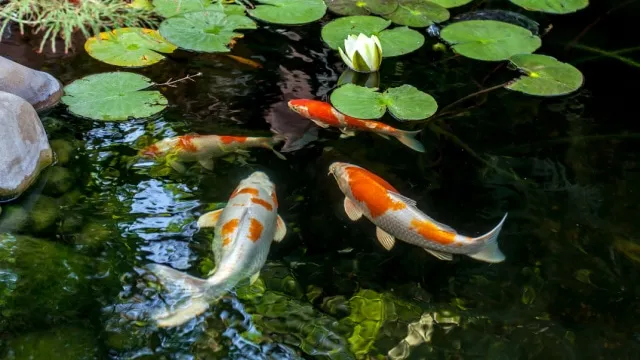
If you are the lucky owner of a garden pond, it is now time to feed the fish again. With a water temperature above 15°C, you can do this several times a day. But don’t give them too much; the fish should be able to eat the food within a few minutes.
You can now propagate and transplant pond plants and water lilies. Cut any rotting roots and rinse the healthy ones well. Plant pond plants in spacious plant baskets with special pond soil.
Is there room for new fish in your pond? The guideline is a maximum of 50 cm fish length per 1000 litres of water, for example, 2 fish of 25 cm or 4 fish of 12.5 cm. Bring new fish home quickly, and don’t leave them in the transport bag for too long. Keep an eye on them for the first time to see if they are active and have a good appetite.