Anyone who wants to work on their car, motorbike, or bicycle really can’t do without a torque wrench. Many screw connections on vehicles must be tightened with a precisely defined force. Too much force can strip the screw or damage the thread. Too little force can cause the part to come loose while driving, with all the associated safety risks.
Types of Torque Wrenches
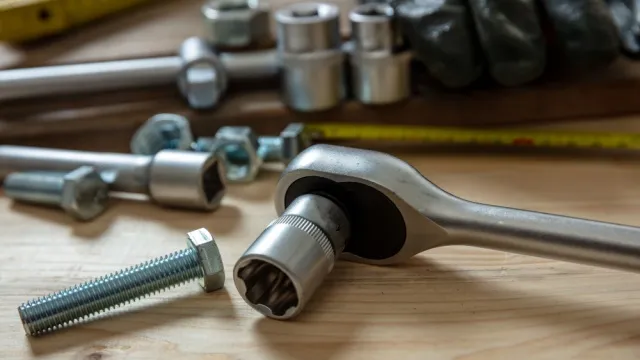
Torque wrenches come in both analogue and digital versions. The main operational distinction is between readout torque wrenches and adjustable torque wrenches.
Readout Torque Wrenches
The simplest and most affordable torque wrench works with a torsion bar. The deflection of this bar relative to a fixed bar shows the value on a scale or meter. As soon as the desired value is reached, you must stop tightening immediately.
Adjustable Torque Wrenches
With these torque wrenches, the desired value must be set before use. Once that value is reached, a signal is given, or the wrench slips instead of continuing to tighten the screw or bolt.
Torque Wrenches in Different Sizes
The force a torque wrench delivers is expressed in Nm (Newton metres). For really heavy-duty tasks, there are torque wrenches with a range of up to 2000 Nm. A disadvantage of wrenches with such high capacity is that they can be less precise when lower Nm is required. DIY enthusiasts working on their car or bicycle need much less force. For screw connections in vehicles, manufacturers specify specific tightening torques. These values can be found in the vehicle’s workshop manual or user guide.
How to Use a Torque Wrench
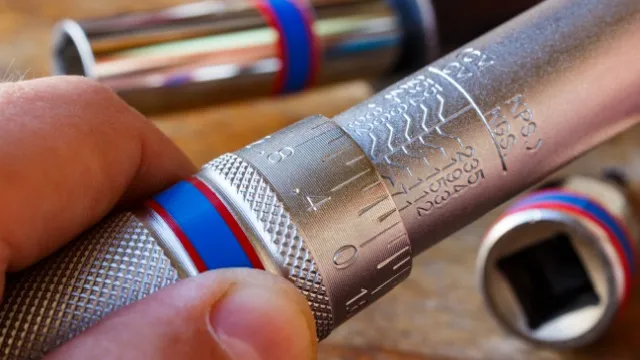
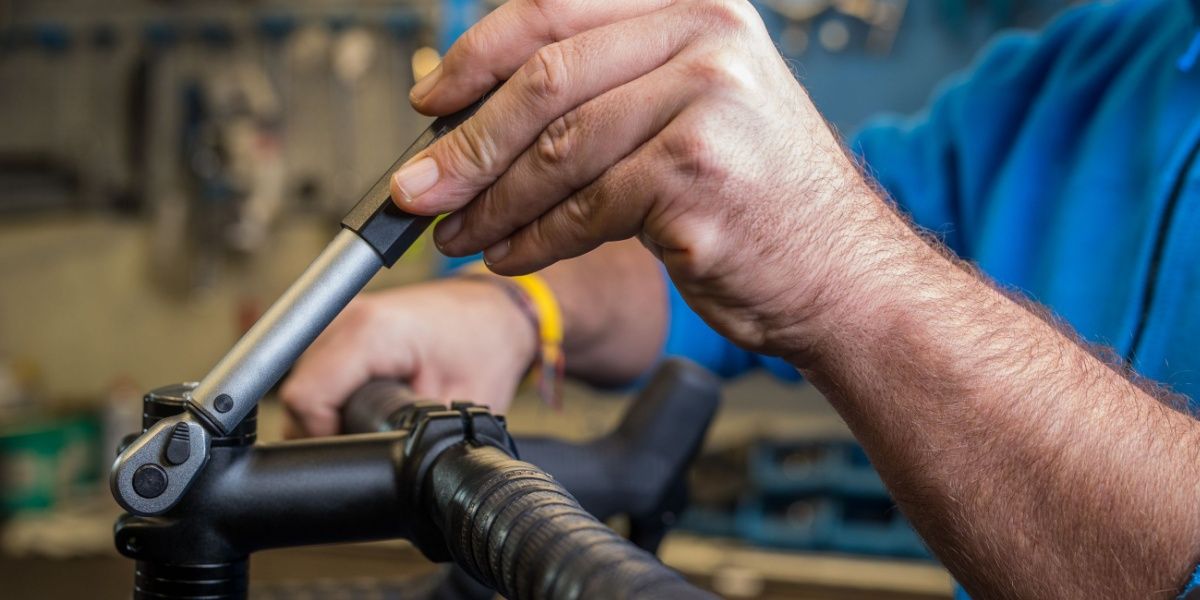
To work with a torque wrench, you first need to fit an appropriate open-end socket or bit for the bolt or screw you want to tighten. Next, set the wrench to the correct torque by turning the adjustment mechanism or setting the Nm digitally. As soon as the set value is reached, stop tightening immediately. When using a torque wrench, it is important to know whether it can turn both left and right. If you are working on bolts with reverse threads, you need a torque wrench that works in both directions.
After use, reset the adjustment to the lowest value on the scale. Leaving the wrench set to a specific value can stretch the spring and reduce its accuracy. Other tips for correct use:
- Do not tighten the torque wrench beyond the values on the scale, as this will stretch the spring.
- Do not place a cross joint or extension between the wrench and the socket, as this distorts the tightening torque.
- Do not disassemble the torque wrench, as this makes the calibrated values unreliable.
- Do not use the torque wrench to loosen stuck screws, as this can cause damage and alter the calibrated values.
For more information and advice on wrenches, also read Tips for Choosing the Right Socket Spanner and Which Impact Wrench Should You Buy?