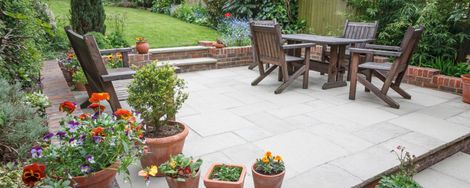
What causes paving to sag?
- The most common cause is a foundation that is not strong enough to bear the load. Peat soil, for example, is very unstable.
- Problems can also arise when the sand bed underneath the tiles is too thin.
- Rainwater that seeps between the joints can also wash away the sand.
- The groundwater level in the area can drop, causing the bottom to collapse.
- Even ants living between and under the tiles can eventually cause subsidence.
- In the driveway, the pavement can sag due to local loads, especially if a car is always parked in the same spot.
Restoring pavement: professional tips
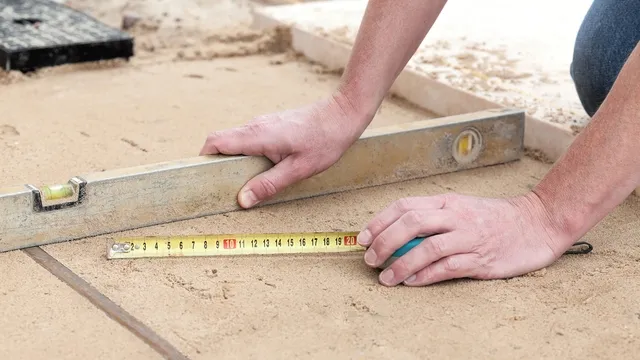
- After removing the tiles, you will get a picture of the cause. Has sand been washed away, is it crawling with ants, or has the bottom under the sand bed also collapsed?
- To prevent future subsidence, your subsoil must be backfilled. It should be strong enough to bear the weight of the tiles and not be able to wash away again.
- When you apply a new layer of sand, make sure it is at least 15 centimetres thick.
- For extra strength, pour a 10-centimetre thick layer of rubble before applying the sand bed.
- Use road cloth. When professional road workers lay a terrace, they usually stretch road fabric under the sand layer. This allows the rainwater to seep deeper into the soil, but the sand cannot wash away.
- Let the newly constructed terrace or driveway slope slightly, preferably towards a gutter. That prevents rainwater from remaining and the ground from soaking in under the tiles.
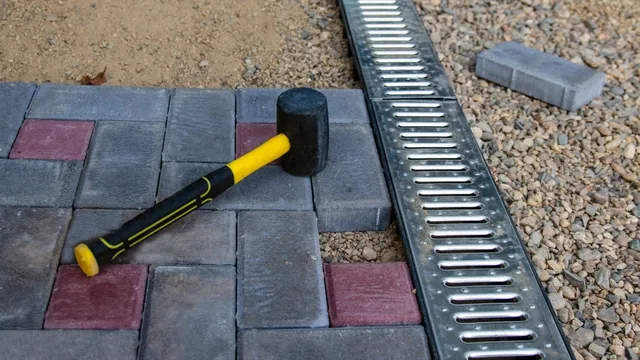
- Provide good drainage. When the rainwater cannot properly drain into the soil, it will eventually wash away the sand under the tiles. And a wet surface will expand in frost, pushing the tiles up. You can read how to install a good drainage system yourself in Installing drainage in your garden.
- For adequate protection against ants, use a special joint mortar for the terrace. This secures the tiles and prevents sand from disappearing from the joints.