
A generator provides electricity where mains power is unavailable. In the past, the choice was primarily limited to petrol or diesel generators, but in recent years, several new options have emerged. Here, we discuss what to consider when buying a generator.
A Generator for Every Purpose

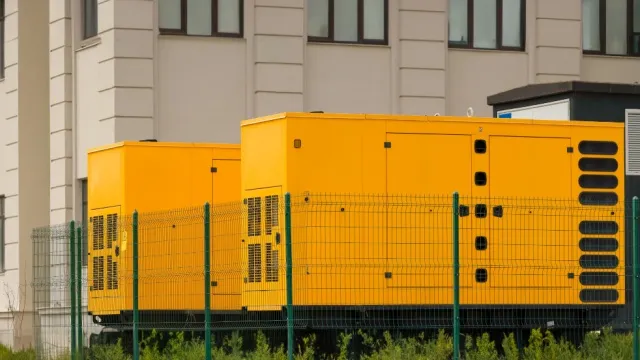
Generators allow you to use electrical appliances and tools in locations where mains power is unavailable, or serve as a backup in case of power outages. In such cases, large, fixed generators are often used, such as in hospitals and data centers where a constant power supply is essential to keep medical equipment running or protect servers and IT infrastructure from data loss. There are also mobile generators, which are widely used in construction sites, farms, outdoor events, camping, or remote holiday cottages. The choice of generator largely depends on specific needs and conditions.
Considerations for Buying a Generator
To choose the most suitable generator for your needs, consider the following specifications:
Power Output
Power output, expressed in watts, is the first consideration. A generator that’s too small will be overloaded, while one that’s too large can be unnecessarily expensive. The power you need depends on the devices you want to connect. You can calculate this by listing the devices you intend to run and adding up their power consumption. Also, consider peak power: some devices require more power to start. For household or recreational use, a generator of 3000 to 7000 watts is usually sufficient.
Connections
Generators can have different types of connections. Decide what kind of output you need.
Runtime
How long does the generator run on a full tank or battery?
Noise Level
Some generators can be quite noisy. For certain applications, this can be very disruptive, and you might prefer a quieter alternative
Price
Prices for generators vary widely depending on the type, power output, and features. Consider not only the purchase cost but also operational costs like fuel consumption and maintenance.
Types of Generators

Petrol and Diesel Generators
These have traditionally been the most common choice. Their main advantage is their ability to generate large amounts of energy, making them suitable for heavy-duty applications like construction sites or as emergency backups. They are versatile and come in various models. However, they produce high levels of harmful emissions and are noisy. They also require regular maintenance to keep working well.
Battery Generators
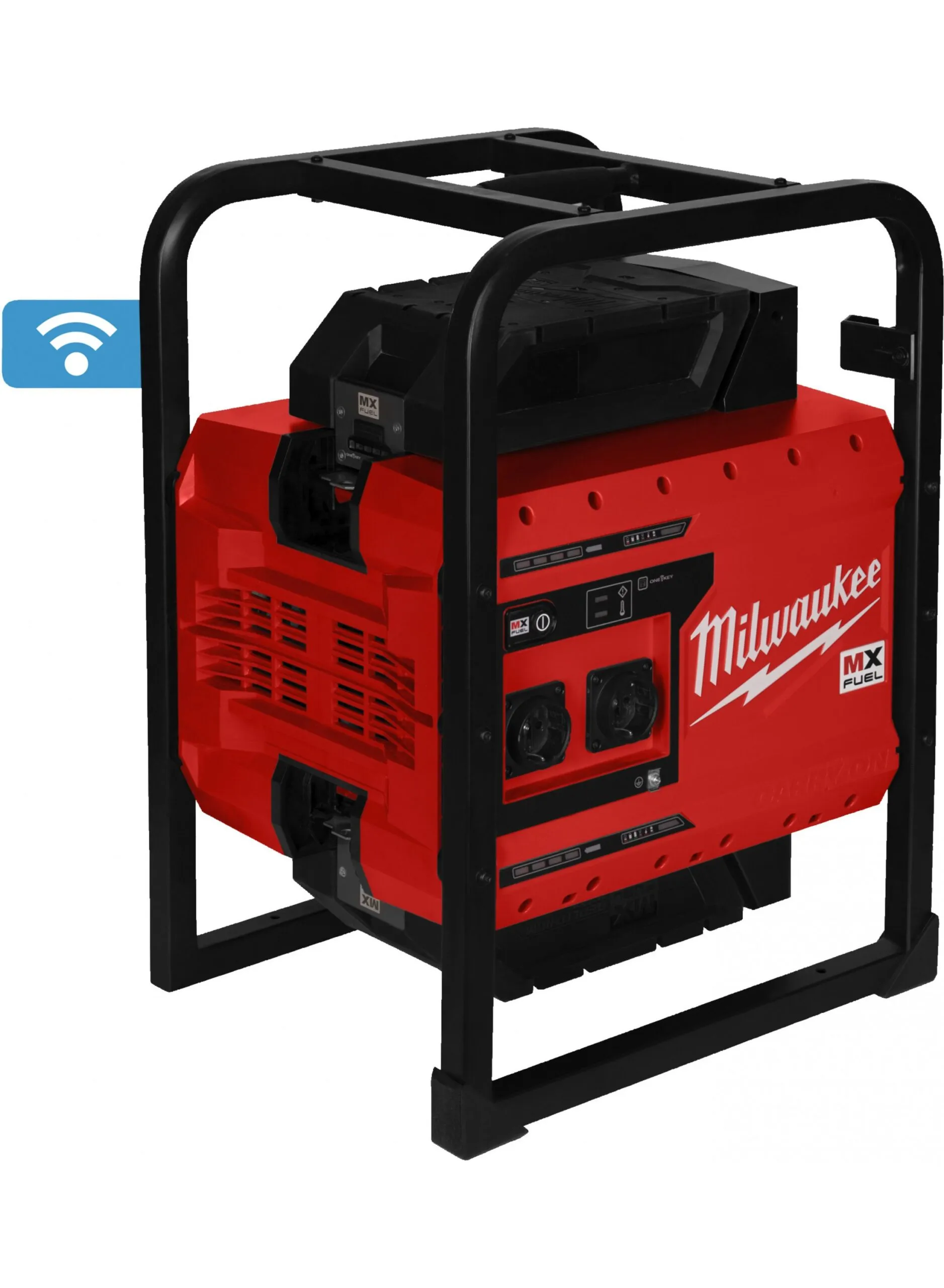
Battery generators are an environmentally friendly alternative. One of their key advantages is silent operation, making them ideal for quiet environments like residential areas or nature reserves. They produce no harmful emissions during use and need less maintenance since they have no moving parts. However, their storage capacity is limited, so they’re not suitable for prolonged heavy-duty use without recharging.
Hybrid Generators
Hybrid generators combine the advantages of traditional fuel generators and battery generators by using a fuel engine alongside a battery system. They switch between fuel and electricity, providing more efficient energy use. These generators use less fuel and emit fewer pollutants. Their versatility makes them suitable for both short and long-term applications, such as emergency backups or use in remote locations. The downside of hybrid generators is the higher initial cost and the need for regular maintenance due to their complex design.
Solar Generators
Solar generators use solar panels to convert sunlight into electricity. Their operating costs are low since they don’t require fuel. However, they depend heavily on sunlight, making them less suitable in areas with limited sunlight or cloud cover. The initial cost of the necessary equipment, such as solar panels and storage batteries, can also be high.
Hydrogen Generators
A promising new technology is hydrogen generators, which use a fuel cell that converts hydrogen into electricity. The major advantage of hydrogen generators is that they emit no harmful substances; the only by-product is water vapour. Hydrogen is also an inexhaustible fuel source and the most abundant element in the universe. Additionally, hydrogen generators operate quietly, like battery generators. However, hydrogen production is still relatively expensive, and storing and transporting hydrogen requires special equipment and safety measures since it is highly flammable. Furthermore, the infrastructure for hydrogen supply is limited in many countries, making the practical application of hydrogen generators on a larger scale more difficult.
Conclusion
As mentioned earlier — choosing a generator depends heavily on specific needs and conditions. Although petrol and diesel generators offer reliability and power, they come with high fuel costs and environmental impact. Battery generators are ideal for small-scale, quiet applications but have limited capacity. Hybrid generators combine efficiency and flexibility but require a higher investment. Solar generators are perfect for long-term sustainable use in sunny areas, though their initial costs can be high. Hydrogen generators are a promising technology for the future, thanks to their clean energy production, but are currently limited by high costs and the need for safe storage and distribution.
For more tips on power supply for devices and tools, check out Working Safely with an Extension Cable.