What is panelling?
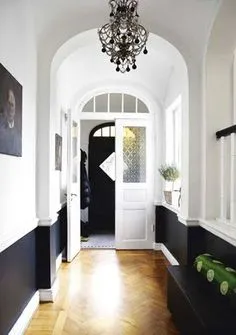
Panelling is a wall covering, traditionally made of wood. In the past, it was used to insulate homes. Today, most houses have more effective forms of insulation, and panelling is a decorative element that mainly brings visual warmth into your home.
Types of panelling

With panelling, you can go in all directions, as you can see on this Pinterest page. Contemporary panelling can consist of wood or plastic, planks or panels. You will find ready-made panelling kits in the hardware store. For those who prefer to use a brush rather than a hammer and screwdriver, you can choose to paint the lower half of the walls in a different colour, giving the panelling effect. Let your creativity run wild, and choose the method and material that best suit your living style.
Making a wood panelling

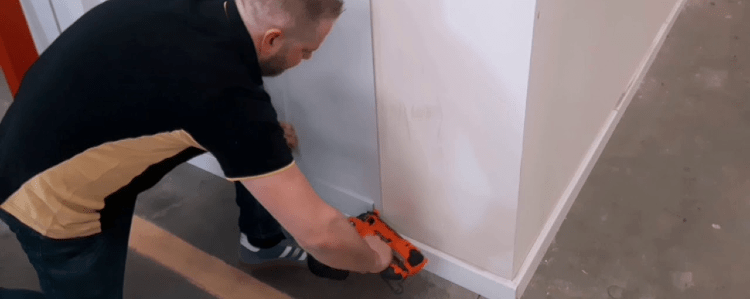
The easiest way is to use a panelling set with pine or MDF panels. You buy such a set complete with skirting boards and top frames. This is how you proceed:
-
If necessary, cut the panels to size and cut the plinth to the correct length.
-
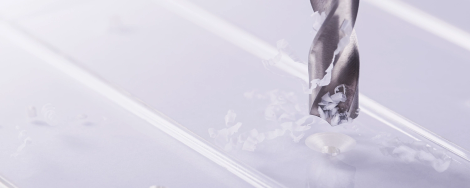
First, attach the skirting board to the wall with a few dabs of the mounting kit. If the walls are uneven, it is best to secure the skirting board with screws. Pre-drill the screw holes to prevent splintering, and then use a countersink bit so that you can putty the screw heads out of sight later.
-
Fix the end piece to the wall in one of the room’s corners with glue.
-
Place the first panel on the skirting board and slide it into the groove of the corner piece. Then secure an intermediate post against the panel with a mounting kit.
-
Continue in this way until the entire wall is finished. Press all panels firmly.
-
When the wall is finished, apply the top frame. Cut this to size – mitered – and fix it on top of the panels using a mounting kit.
-
Fill any screw holes and sand away any imperfections with fine sandpaper. Close the gap between the wall and the top frame with acrylic sealant.
-
Now you can paint the panelling. Prime it first, sand lightly and paint in the desired colour.
The top frame
A panelling is not complete without a top frame. This dividing line between the panels and the ‘bare’ wall largely determines the appearance of the panelling. Usually, the top frame is painted the same colour as the panels, but you can also paint it a different colour for a contrasting effect.
Play with colour
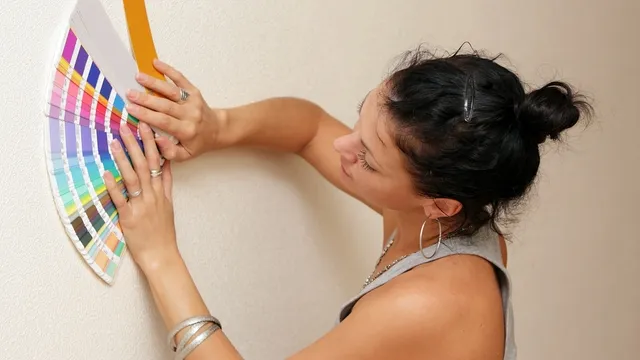
Panelling is an opportunity to bring extra colour into your home life, but you can also choose to paint it in the same shade as the walls. This gives a calmer effect, while the difference in material and relief provides the necessary contrast.
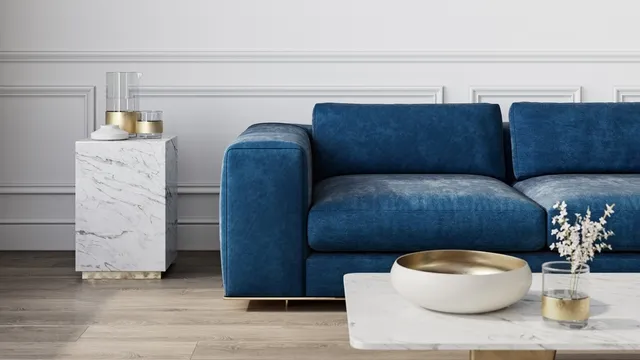
When you want to paint the lower part of the wall to mimic the panelling effect, choose a contrasting colour to create a clear distinction from the rest of the wall. A top frame is also a nice finish for such painted panelling. Moreover, a frame is a smart solution to hide any slips of the brush.