Read the instruction booklet
When you have unpacked the new drill, you want to get started right away. But it is really advisable to keep your impatience in check and first read the instruction booklet. This contains important instructions and tips for the correct use and maintenance of your purchase.
Clean after use
Working with dirty tools is not pleasant, and dust and contaminants can eventually be fatal for machines, for example because they cause overheating. Always clean your tools before storing them and pay particular attention to the ventilation openings. The best way is cleaning them with a compressor, but an old toothbrush will also do the job.
A drop of oil from time to time
In the instruction booklet you can read if, and in which places, the machine should be lubricated.
Store in a dry place
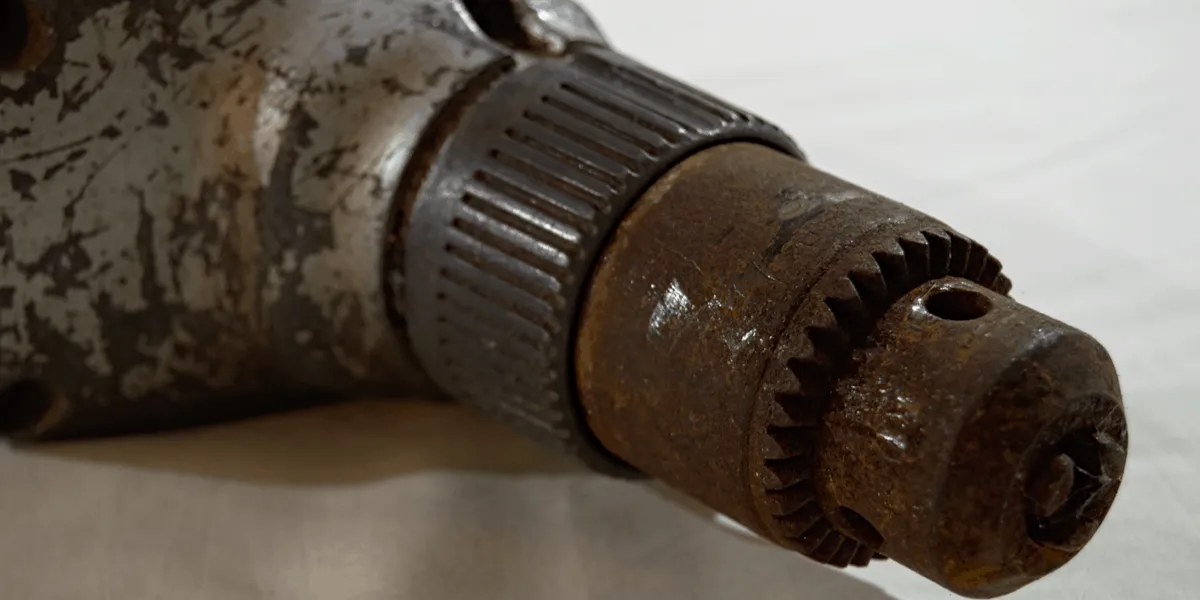
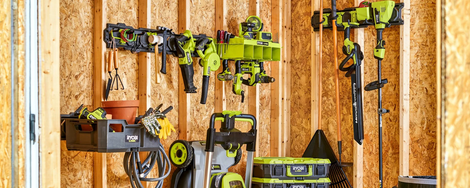
Moisture is the biggest enemy of your tools. Keep your machines in a dry place, which is also well ventilated, as condensation also causes rust.
A few more storage tips:
- Store your tools in the original packaging.
- Make sure that drills and chisels do not come into contact with each other, which makes them blunt prematurely.
- Pay special attention to the batteries. How the correct storage method can prolong the life of your batteries, you can read in our article Make your Li-ion battery last longer
Listen to your machines
Professionals who work with power tools day in and day out have an ear for their machines. A deviant sound is often a sign that something is wrong.
Replace broken parts on time
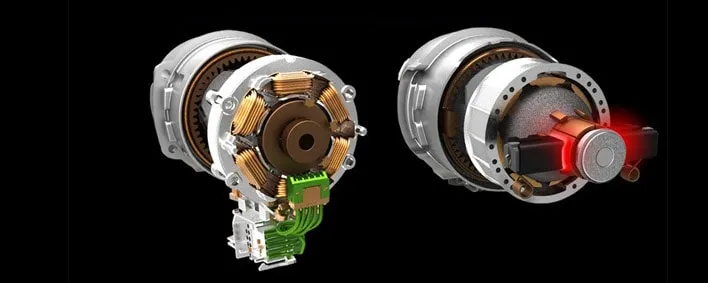
Do not delay repairs, because even small defects can quickly cause bigger problems. And replace worn parts, such as carbon brushes. Or better still: opt for carbon brushless machines for minimal maintenance.
Take a good look at the warranty conditions

When purchasing you can already protect yourself against unexpected problems by paying attention to the warranty conditions.
More information can be found in: 5 year warranty on power tools at Klium!
Blunt or worn? Throw away!
Blunt drills or saw blades and sandpaper without grain belong to the scrap or in the dustbin. Working with worn items is unnecessarily heavy for yourself and your machine. Only use parts and materials that are in good shape if you want to keep your power tools in top condition.