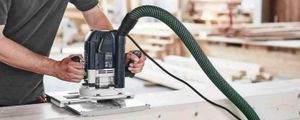
It doesn’t occur very often that you have to do a drill in metal DIY job. Usually you drill in stone or wood. But sometimes it may be necessary to drill a hole in steel, aluminium or another type of metal, in which case you want to finish the job without any damage.
Here are some tips to drill in metal and advice on using the right tools and appliances.
A closer look at the metal drill

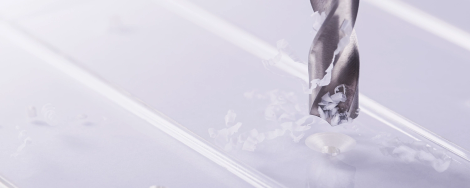
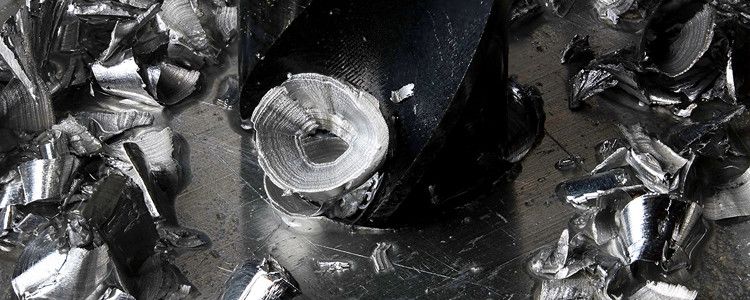
Every standard drill set also contains a few metal drills. You can recognise them by their sharp ends, which ensures that an opening is made directly after the first few drilling rotations. A metal drill has a cylindrical shaft causing the drilled metal strings to release. Thus you do not need to pull out the drill while drilling, as is the case with drilling in stone or wood. In technical jargon, metal drilling is indicated with the abbreviation HSS (High Speed Steel) and a distinction is made between HSS-R and HSS-S drilling. Both are suitable for drilling in steel and in most of the other metals, but the latter lasts longer.
The cobalt metal drill is specially made for drilling in hard metals such as stainless steel and cast iron, which is composed of HSS with 5% cobalt. And of course there are all kinds of special drills for specific metals and applications. A search query of metal drills on Klium’s website will lead you to thousands of different products.
Which drills are suitable to drill in metal?
This question is easy to answer: almost all of them. A basic drill – electric or battery – is usually sufficient, because the speed frequency for drilling in metal doesn’t have to be high. It’s all about the sharp end of the drill. In case you are using a hammer drill, please check that it is in drill position and not in hammer position. Hammer drilling is the surest way to damage the material you are drilling.
4 tips to successfully drill in metal
1. How to prevent slipping
A metal surface is often smooth and the drill can slip away before you know it, causing an ugly scratch. You can easily avoid or significantly reduce this risk by creating a small opening in the metal in which you then place the tip of the drill. For this you can use a center punch or just a steel nail.
2. Drill on low speed
The most common error is to drill at a high speed. It is best to drill in metal at a low speed. The harder the material and the bigger the hole, the lower the drilling speed.
For example: if you drill in aluminium using a 5 mm drill bit, then you can set the speed to 1,500. Are you using the same size drill bit but made of stainless steel, then 600 rotations per minute is the maximum. There are formulas which you can use to calculate the ideal speed for all sorts of circumstances, but this advice will go a long way: start at a low speed and slowly increase the speed until you notice that it is going too smooth.
3. Cooling with cutting oil
Drilling in metal creates a huge frictional heat. This heat development has a few less desirable consequences. One of the consequences is that your drills will wear out faster. Also, drilling becomes more difficult when an already hard material like stainless steel gets even harder due to heat. Therefore it is important to use cutting oil to cool the material and the drill when drilling in hard metal types. Cutting oil is available in liquid form and in spray cans. And perhaps this doesn’t need to be mentioned, but just in case: when you are done drilling, do not touch the drill and metal with your bare hands.
4. Pre-dill large holes
Do you want to drill a hole of, let’s say, 8 millimeters or bigger? If so, it is best to pre-drill with a 3 or 4 mm drill bit to prevent slipping.
General drilling tips can be found in the Drilling in brick walls Klium article.
Drilling in metal unintentionally
This happens sometimes: unintentional drilling in metal. When drilling in concrete walls or ceilings, there is always a chance of drilling in concrete steel and that your drill gets stuck. A normal stone or concrete drill is not suitable for reinforced concrete. Use a diamond drill or a P4S concrete drill to get the job done. The latter has four cutting surfaces instead of two – as is the case with a standard concrete drill – which enables it to continue drilling when it reaches a metal part. Of course you can also just drill a new hole next to the old one.