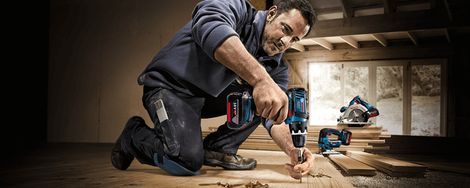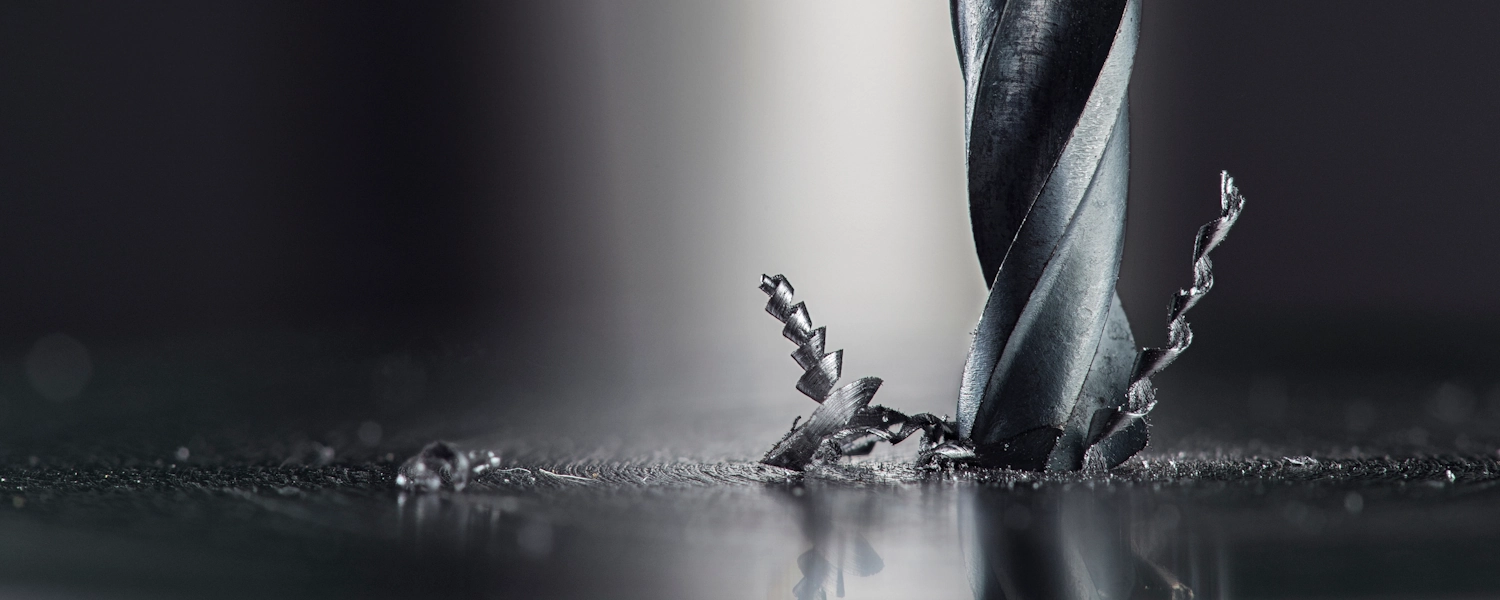
Stainless steel, also known as inox, is a material made from an alloy of iron, chromium, nickel, and carbon. The unique properties of this material make drilling a challenging task, even for professionals.
What makes drilling in stainless steel challenging?
Stainless steel has several unique properties that make drilling more difficult compared to other materials. It has low thermal conductivity, which means heat is not dissipated quickly, potentially leading to overheating of both the material and the drill bit. The heat generated during drilling also causes the material to harden, making the process more difficult and leading to faster wear on the drill. Stainless steel also stretches more than most other metals when subjected to tensile stress. The material “gives” or deforms under the pressure of the drill before the tool can get a proper grip.
What do you need to drill into stainless steel?
- The right drill bit
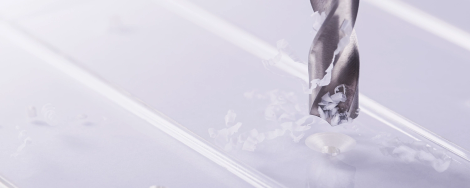
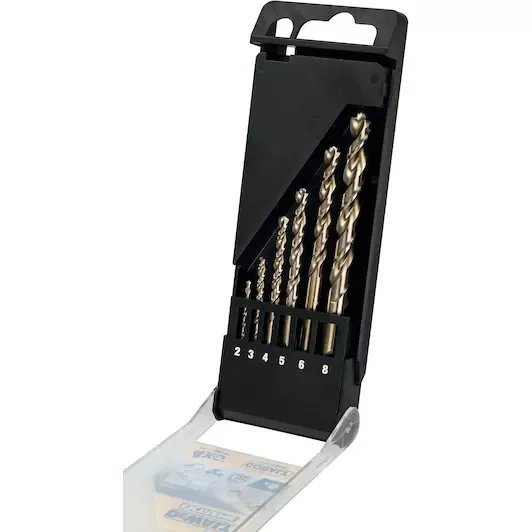
Use a cobalt drill bit to drill into stainless steel. Cobalt drill bits are harder than standard HSS drill bits and resistant to high temperatures. They are ground at a 135-degree angle, significantly larger than the 118-degree cutting angle for softer materials. However, these bits must be used carefully, as their hardness makes them prone to breaking if used incorrectly.
- Coolant
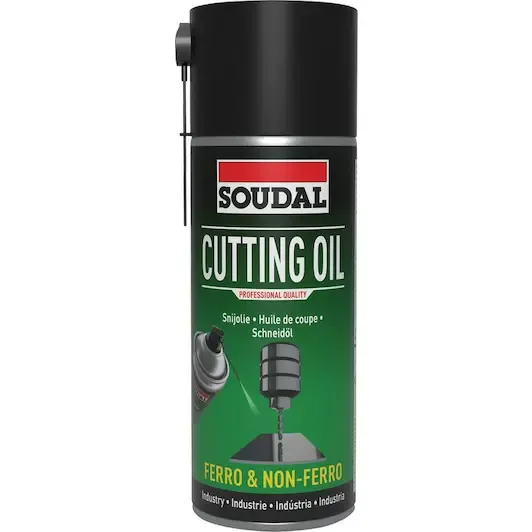
Since stainless steel tends to heat up quickly, it is essential to use a coolant during drilling. This helps keep the temperature low and prevents the material from hardening. An effective coolant is cutting oil.
How to proceed?
- Low speed and consistent pressure
Unlike softer metals, stainless steel requires a low drilling speed to prevent the material from overheating. High speed will wear out the drill bit quickly and harden the material. A general rule of thumb is to start with a speed of around 100 to 300 revolutions per minute, depending on the drill bit’s diameter. Additionally, it is important to apply consistent pressure without overheating the drill. Read our tips for Drilling at the right speed.
- Pre-drilling
Pre-drilling with a smaller diameter can help reduce the strain on the larger drill bit and minimise the risk of breakage. This is especially necessary for larger drill holes. As a general rule, for diameters of 8mm or more, pre-drill, and diameters of 13mm or more, pre-drill twice.
- Mark and centre the drill
Before drilling, mark the exact spot where the hole needs to be. Use a centre punch to make a small indentation on the surface. This helps keep the drill in place and prevents it from slipping, which often happens on the smooth surface of stainless steel.
- Drill at a consistent speed
Start with a low drilling speed and avoid increasing it too much. Drilling too quickly generates more heat, which leads to hardening of the material. A slow, steady speed ensures a cleaner result. If the drill starts to “grab,” you can slightly increase the speed.
- Use enough coolant
It is crucial to keep both the drill and the material cool while drilling. Make sure to add coolant regularly to prevent overheating. This also reduces friction and extends the drill’s lifespan.
- Let the drill do the work
It’s tempting to apply more force when drilling goes slowly, but too much pressure can cause the drill to break or damage the material. Let the drill do the work by applying steady, but not excessive, pressure.