When we think of eco-friendly DIY, we primarily consider the types of tasks, such as insulation, installing water-saving taps, or fitting solar panels. However, it’s not just the tasks that help the environment; the materials and tools we use also play a significant role.
Materials: Choose wisely
An important aspect of eco-friendly DIY is the use of sustainable materials. Consider the following:
Eco-friendly wood
Wood is inherently an eco-friendly material, but deforestation is a significant global threat to the environment. Forests are crucial in the fight against CO2. Whether it’s putting up a garden fence, laying a wooden floor, or building a cabinet, you can always make an environmentally friendly choice.
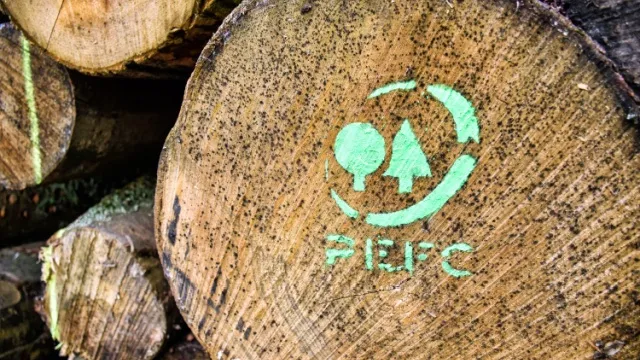
The FSC or PEFC certification ensures that the wood comes from forests where logging is controlled, and replanting is practiced. However, even with FSC certification, tropical hardwood is still environmentally taxing due to transportation. Eco-friendly alternatives include harder European wood species that are moisture-resistant, such as oak, chestnut, or robinia. From an environmental standpoint, nothing beats using recycled wood. Wood products with the FSC-Recycled label are made from at least 85% recycled wood.
Certified paint
Paint contains volatile organic compounds (VOCs) harmful to the environment. Which paint is the most environmentally friendly? There’s no straightforward answer, but you can look out for certifications. Paint with the European Ecolabel contains minimal VOCs. The Nature-Plus label requires manufacturers to ensure that at least 90% of the paint consists of renewable or abundant raw materials.
Waste management
Sensible waste management is a must for eco-conscious DIY enthusiasts. Waste management includes:
- Waste separation. Sort construction waste into different categories (wood, metal, ceramic material, plastic, etc.). Each type of demolition and construction waste has a destination: either recycling or a safe method of disposal.
- Minimize waste. Try to buy and use materials precisely to size to reduce waste.
- Responsible disposal. Ensure that hazardous materials, such as paint and chemicals, are disposed of correctly.
Garden materials
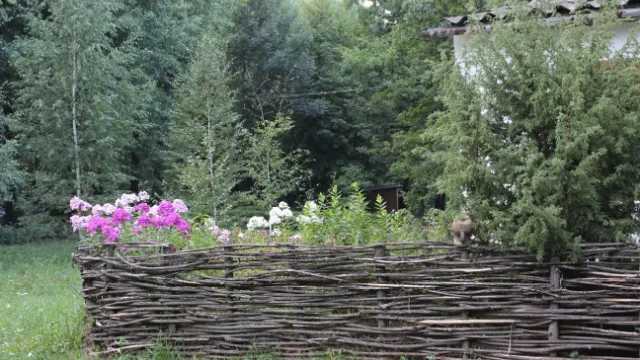
When using treated wood for garden fences and other outdoor applications, look for the KOMO certification. This indicates that the wood has been responsibly treated against rot. Hedges, willow mats, or wire mesh with climbing plants are eco-friendly alternatives to garden fences and walls.
Regarding garden paving: Concrete pavers and tiles are produced in a more eco-friendly way than baked pavers and are generally cheaper too. You can read more about the various paving materials in Choosing Terrace Tiles: Natural Stone, Concrete, or Ceramic?
Eco-friendly tool tips
Sustainable machines
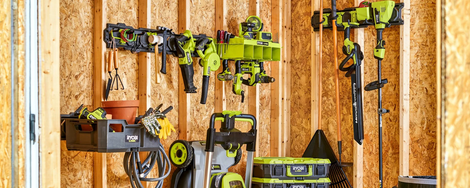
Tool manufacturers are striving to make their machines more sustainable. New drills and other power tools are often made using recycled plastic, and more manufacturers are switching to cardboard packaging instead of plastic. These are things to consider when purchasing.
Battery Platform

Sourcing your various power tools from one brand also has an environmental benefit. The battery platforms offered by each brand allow you to use all your machines with one battery. The fewer batteries produced, the fewer raw materials are extracted from nature.
Hand in old tools
A sympathetic way to practice sustainability with tools is to hand in your old tools at a hardware store. They are refurbished by organizations specializing in this, and people in developing countries benefit from them.
Buy together
An enthusiastic DIYer always has dreams and aspirations. Think of that one fantastic machine — you’d love to have it in your toolbox, wouldn’t you? But how often will you use it, and a hefty price tag doesn’t help. Consider asking your relatives, a handy neighbour, or a colleague. Maybe buying and sharing it is the solution.