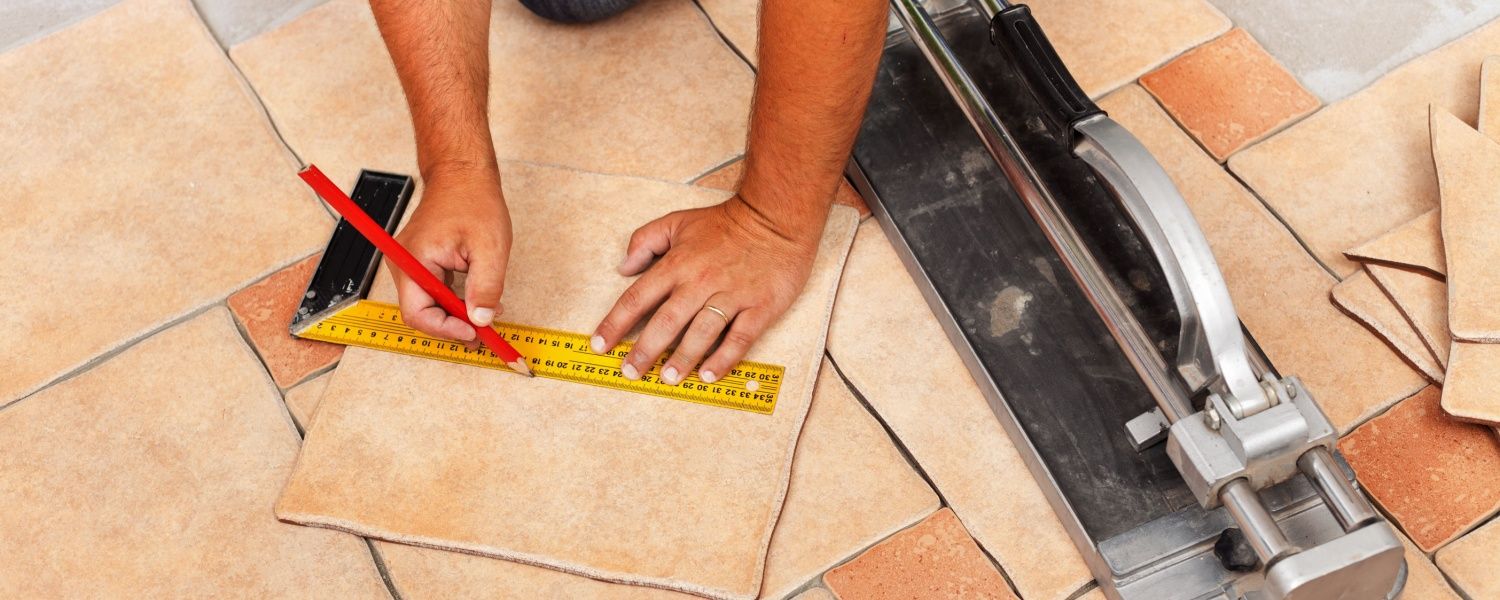
Various things can go wrong when laying a tile floor. Some mistakes become immediately apparent, while others may cause unnecessary damage years later. Here, we discuss the mistakes you should avoid to ensure a professional result.
Laying Tiles on an Uneven Surface

An uneven subfloor will result in an uneven tile floor, which not only looks unsightly but can lead to cracked tiles. Ensure the surface is absolutely flat by thoroughly checking with a spirit level and a straightedge. Height differences are found in corners or near doors especially. If irregularities are present, you’ll need to level the subfloor with a levelling compound.
Laying Tiles on Non-Degreased Tiles
When you want to lay a new tile floor over an existing one, it’s essential to thoroughly degrease the old surface. Failing to do so risks the new tiles not adhering properly, which could cause them to come loose over time.
Poor Alignment and Planning
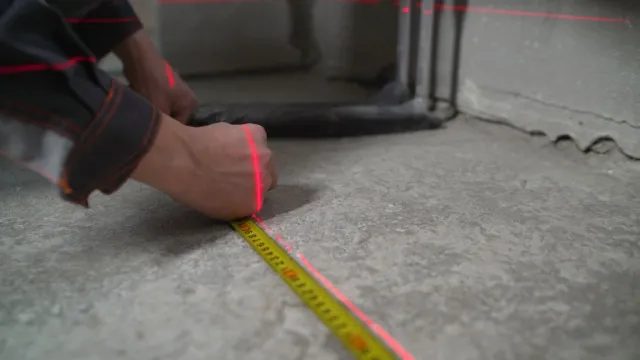
For a professional result, good planning and alignment are essential. Start by accurately measuring the floor. Pay attention to special features such as corners and edges. Take your time to plan and mark out so that the tile pattern is symmetrical and balanced. Use a long spirit level and straightedge to mark straight lines as a guide. These lines help to accurately place the first row of tiles, setting the tone for the entire floor.
Not Cutting Tiles Accurately
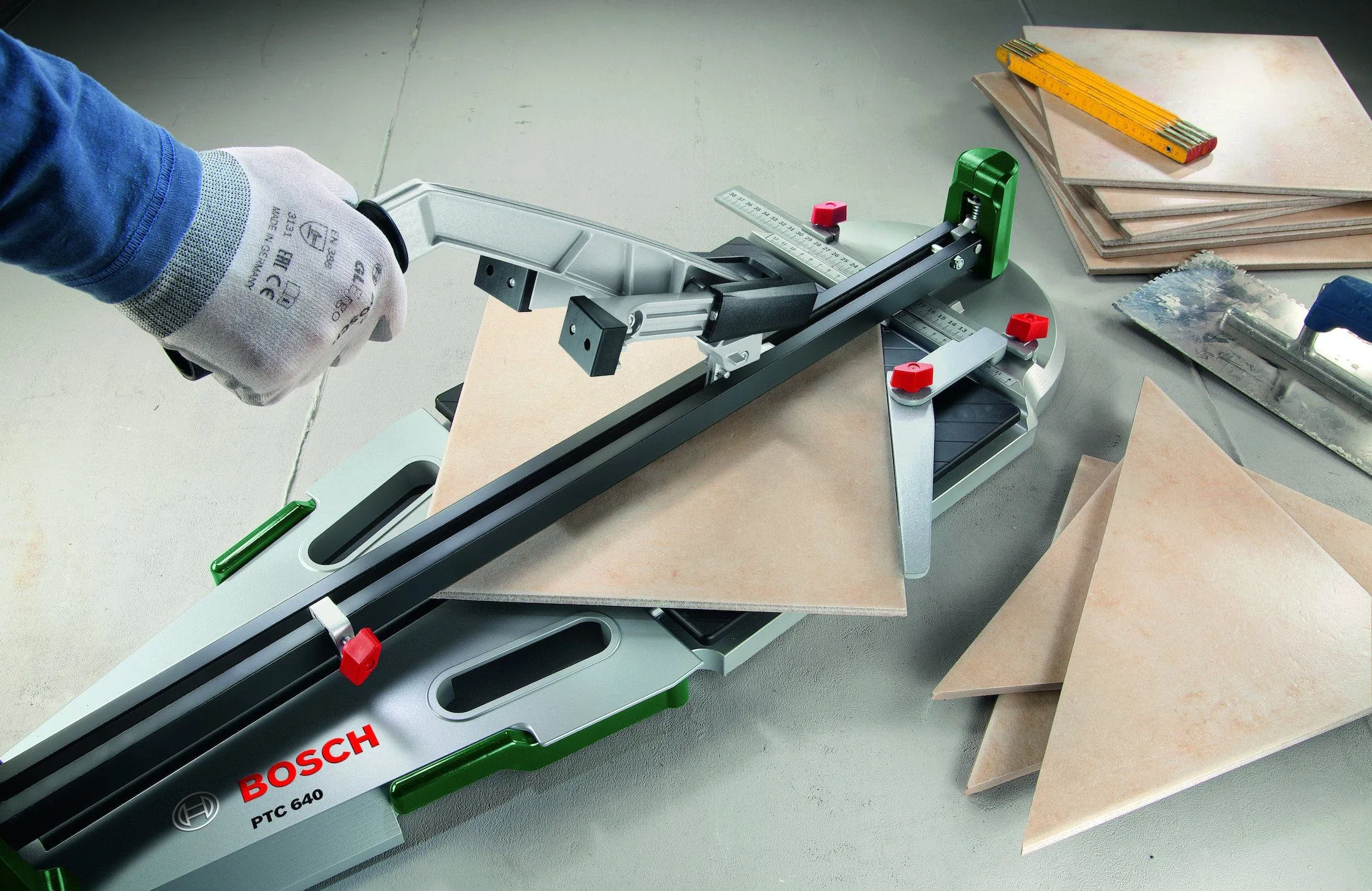
Cutting tiles requires the correct technique and the right tools. Whether cutting tiles manually or with a machine, professional-quality tools are essential for an accurate result. Practice on a few test tiles before starting your project. Use a water-soluble pen or tape to mark the cut line on the tile and cut slowly and evenly without applying pressure. As with any job, let the tool do the work.
Using the Wrong Tile Adhesive
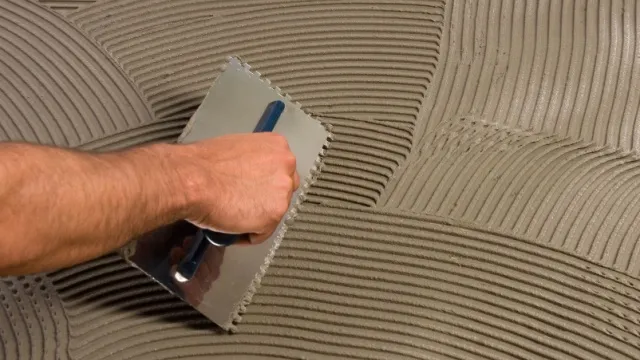
There are various types of tile adhesive, each with different properties depending on the tile material and the substrate. Some adhesives are specially formulated to bond well with porous tile materials, while others are suitable for glazed tiles. Get advice on the right tile adhesive for your application. A common mistake is mixing the adhesive too thinly. The thinner the adhesive, the easier it is to apply, but thinly mixed adhesive can lead to insufficient bonding, causing tiles to shift. Following the manufacturer’s recommended mixing ratio ensures you’re on the right track.
Mistakes with Grouting
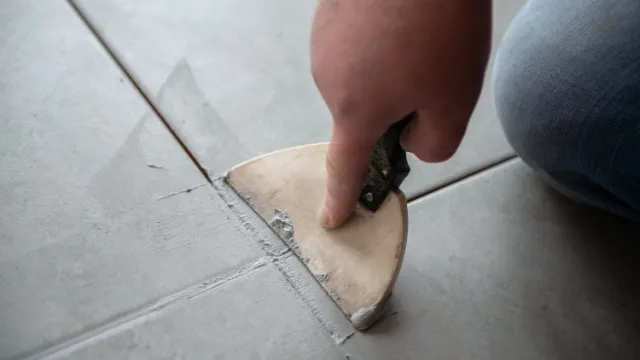
Improper grouting can lead to moisture issues. Apply the grout evenly and fill the joints completely. Use waterproof grout in wet areas. After laying the tiles, it’s crucial not to grout too quickly. For adhesion on dry substrates, you can start grouting after 36 hours. For adhesion over an old tile floor, it’s better to wait at least 48 hours. Read here how to remove grout haze after grouting.