An analysis of a total of 58,800 emergency visits over the five years examined leaves no doubt: the ladder is the most dangerous tool for DIYers.
Tool type
Absolute number of accidents
Percentage
Saw
1800
22,5
Ladder
3500
43,75
Drill
500
6,25
Hammer
500
6,25
Axe
100
1,25
Grinding Machine
500
6,25
Other
1100
13,75
Except for most accidents, the ladder is also responsible for a large percentage of severe accidents. Further investigation data shows that many injuries classified as “severe injury” by hospitals are the result of a fall.
Causes of ladder accidents
The VeiligheidNL report does not provide a definitive answer about the causes of the accidents, but these three factors probably play a role in most cases:
- Incorrect placement of the ladder, for example at a dangerous angle against the wall or on an unstable surface.
- Poor condition of the ladder, such as broken, missing or dirty steps and poorly secured extensions on extension ladders.
- The physical and mental condition of the handyman.
Recommendations for working safely on a ladder
Klium has a number of tips to prevent accidents with a ladder:
- Stay alert. You shouldn’t climb a ladder with stress, haste, fear of heights or tiredness.
- Check the ladder for possible damage and dirt.
- Place the ladder at a safe angle (75 ° is usually recommended) on a firm, leveled surface.
- Ask someone to hold the ladder, especially when working at a great height.
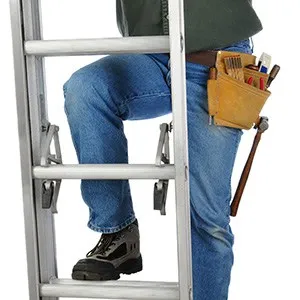
- Climb in a safe way with your face towards the ladder and your center of gravity directly above the step. Place your full foot on the step and always keep three points of contact with the ladder.
- Move the ladder in time so that you don’t have to reach too far.
- Do not hold any tools in your hands when climbing, it’s better to wear a tool belt.
- Because, despite all precautions, something can still go wrong, a type of fall protection is recommended as extra insurance against accidents.