
Drilling and screwing are among the most common DIY jobs. There is practically no job that does not require a drill and screwdriver. We will now give you 15 simple, professional, DIY tips and tricks that are good to know about as they have proven to be extremely beneficial.
1. The matchstick trick for loose screws
When screws loosen up in a wooden surface, you can use a bigger screw and turn it into the existing hole. But you can also use the old screw. Fill the hole with one or more matches and some glue. Allow it to dry and tighten the screw again.
2. Removing plugs from the wall
Plugs can easily be removed using a corkscrew. The easiest is a model with wings.
**3. Prevent the drill from slipping
**
On hard, smooth surfaces like metal and tiles you run the risk that the tip of the drill bit slips away and causes an ugly scratch. When drilling in metal, you can prevent that by first creating a small pit in the spot where you will be drilling. There is a professional tool for this and it is called the center point, along with a nail and a hammer. You can avoid slipping on ceramic tiles by using a piece of painter’s tape or a plaster.
**4. Here’s how your drill won’t get overheated
**
Drilling into hard materials such as steel or stone is a tough job for a drilling machine. The drilling machine is especially vulnerable for overheating when the drill bit is blunt, or if you put too much pressure. The professional way to prevent this is by using cutting oil to cool it down. What also works well is to drill in stages of 10 to 15 seconds and allow it to cool in between in a bowl of water.
5. Screwing in difficult spots: the combs trick
It is tricky to turn a small screw into a hard-to-reach area. Whatever way you hold it, your fingers will always be in the way. The smart solution: inserting the screw between the ‘teeth’ of a small comb allows it to remain steady.
**6. Drilling into the stone or joint: which is better?
**
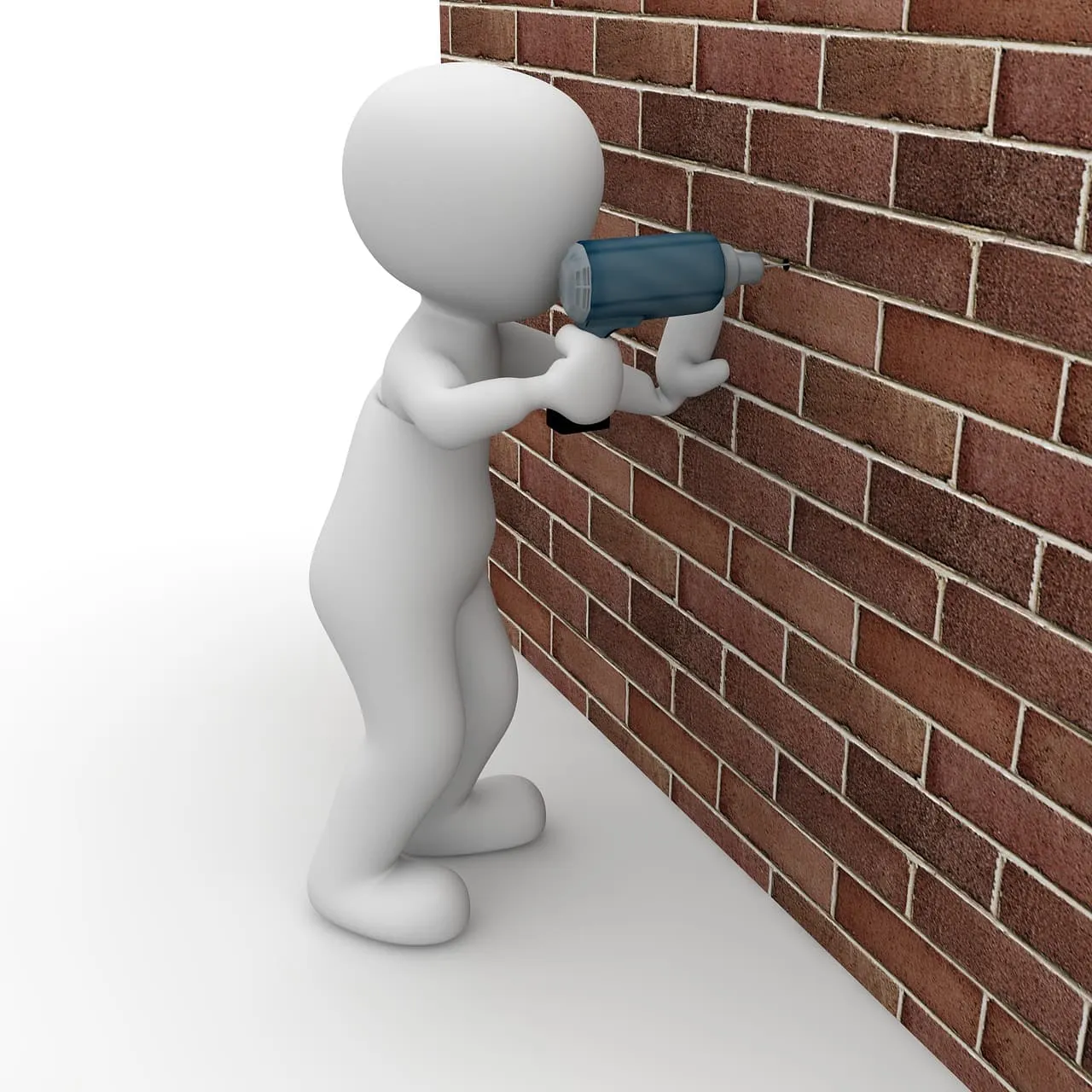
When you want to hang something onto a brick wall, you have the choice to either drill into the stone or the joint. There’s something to say for both. If you are going to hang something that is heavy, then it’s best to drill in the stone. If the weight of the item your are hanging is light, then you can drill in the joint. That makes it easier and faster to drill, plus you can easily close the hole later on.
**7. Making a screwdriver magnetic
**
If you need to screw in hard-to-reach spots, it is handy to have a screwdriver with the screws sticking onto it. You can make your own magnetic screwdriver by using one pole of a magnet. Spread it out and repeat it quite a few times, but always in the same direction. If you go in the opposite direction with the same pole, you will reduce the magnetism.
**8. Drilling without splinters
**
When you drill through wood, you inevitably get splinters on the bottom. In most cases that is not a problem because the bottom remains out of sight. But you can also easily avoid it with a piece of scrap wood on the bottom part. To keep it firmly in place, you can attach it with glue clamps.
9. Choosing the screw with the correct head
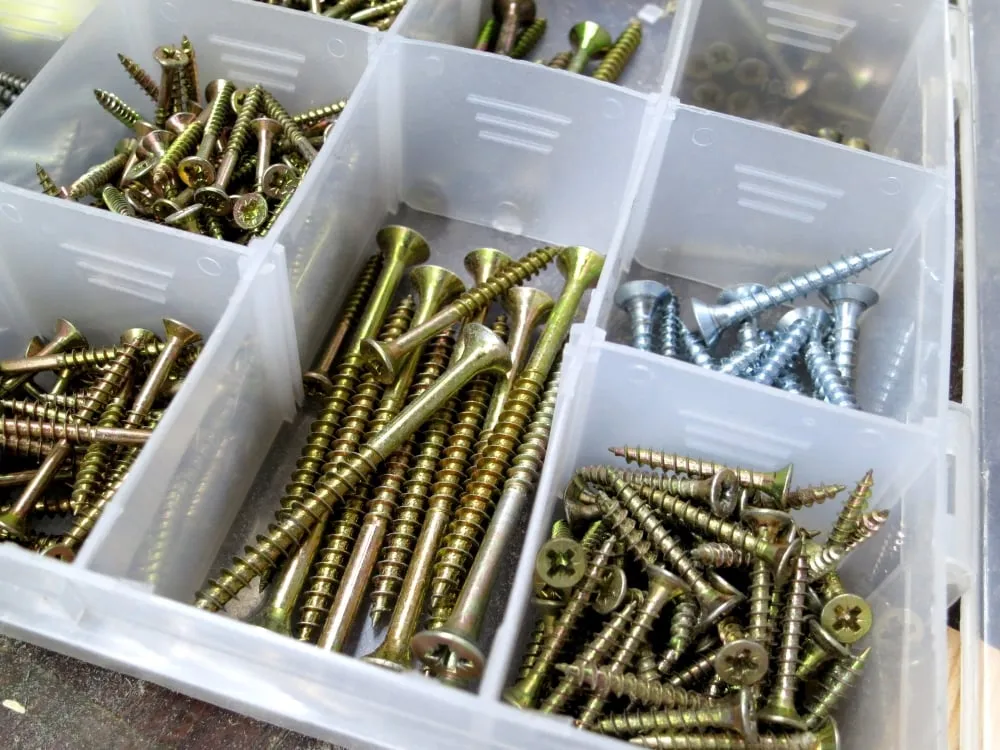
The recess in which the screwdriver or the drill bit of the drilling machine-screwdriver fits, determines your grip on the screw while tightening or loosening. The torx gives the most grip: a recess in the shape of a star. Torx screws are therefore often used by professionals. A cross shape (also called Pozidriv) comes in second place. The ancient notch offers the least grip and will most likely result in slipping of the screwdriver. Are you using a drilling machine-screwdriver? If so, then it is important to use the precisely correct drill bit for the screw. Here you can find out all you need to know about bits and screw heads: Each screw has a matching drill bit.
10. Loosening old and damaged screws
Swearing doesn’t help. We suggest to try one or more of the following methods:
- If you can’t get the job done with a drilling machine-screwdriver, then grab a regular one so you can add a little more pressure. See if there’s a spanner wrench that fits around the handle of your screwdriver. This will allow extra pressure.
- Use a hacksaw to create a new slit in the worn out head of the screw.
- Put a flat elastic on the screw head and push it with the tip of the screwdriver in the recess (or what is left of it). The elastic will fill-up the damaged space, which gives you more grip.
- Use a screw extractor. This is a screwdriver or drill bit that has a hard screw thread at the end, which drills in the screw head and positions itself firmly.
- If you have screws and bolts that are stuck in metal you can try using WD-40.
- As a last resort you can completely drill out the screw. In which you will be looking at a huge hole afterwards.
11. Countersink screws
Use a drill with the same diameter as the screw head to drill out the first millimetres of the drill hole. In that case the screw head doesn’t stick out. You could, for example, completely hide it with liquid wood.
**12. Avoid drilling too deep
**
To attach a plug securely into the wall, it must have the right drill hole depth. If it’s too shallow, the plug will stick out. If it’s too deep, it will disappear. You can avoid both by holding the plug next to the drill bit and then marking the length using a piece of coloured tape that you put around the drill bit.
13. Choosing the right drill
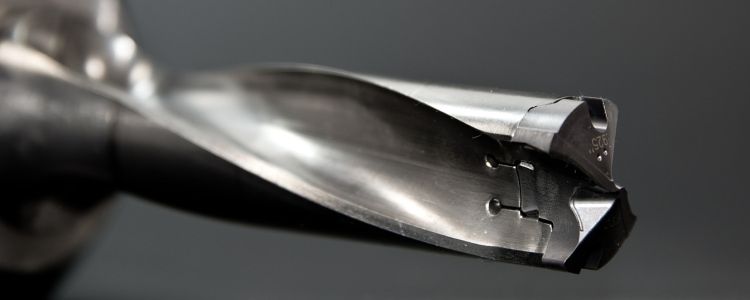
A stone drill is for stone, a wood drill for wood, and so on. This is obvious for everyone. However, we will add a word of caution: never use a wood drill for metal. If you do, you can throw it in the bin. The other way around may not be handy, but it’s not as disastrous.
14. Dust-free ceiling drilling
A simple DIY trick to prevent dust and grit from getting in your eyes while drilling in the ceiling: cut an old tennis ball in two parts and put one half over the drill bit. You will then have a bowl for catching the drilling dust.
15. Prevent plaster from damaging
Plaster has the annoying tendency to crumble when you’re drilling into it. Just like drilling in ceramic tiles, you can prevent damage by covering the spot you’re about to drill with painter’s tape.