Summer is at its peak. This is when you can fully enjoy your garden, but you also need to pay extra attention to everything that grows and blooms. Here are some handy tips to keep your garden in top condition.
- Watering
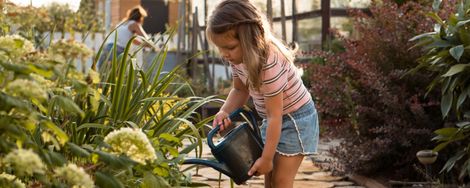
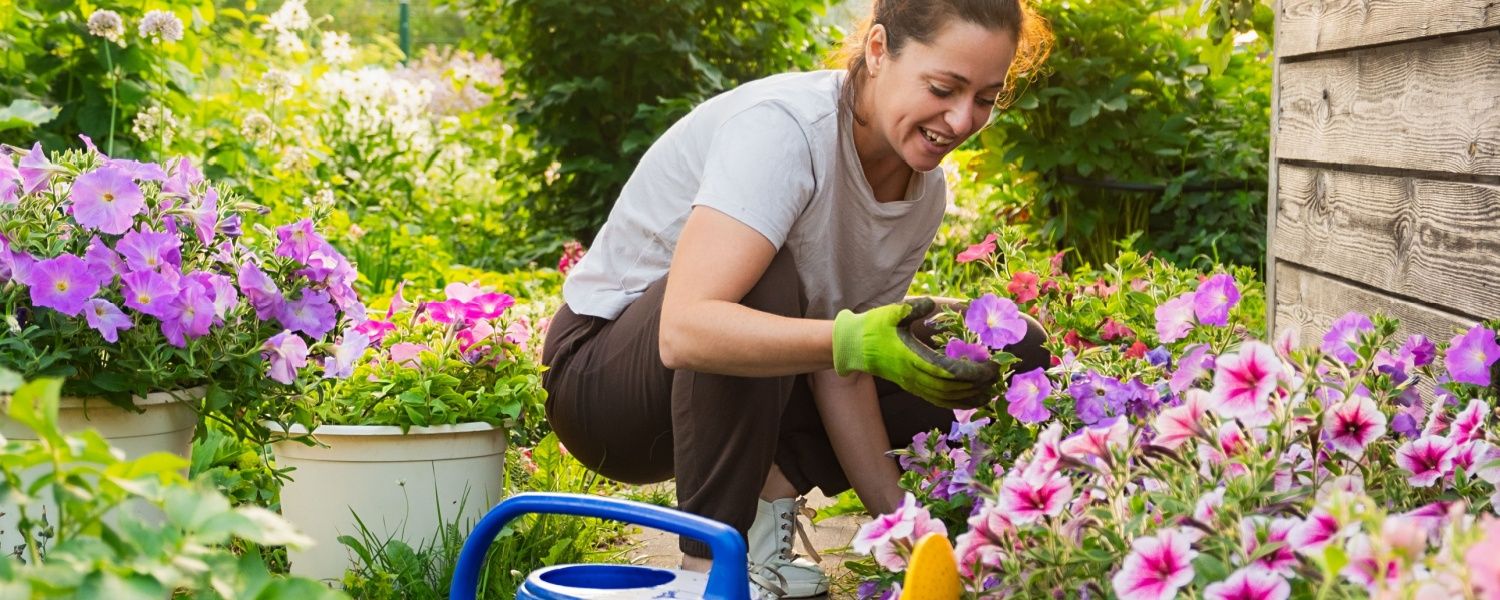
During midsummer, your plants need a lot of water. Water early in the morning or late in the evening to minimize evaporation and ensure that the water can penetrate deeply into the soil. Ideally, use a drip irrigation system that delivers water directly to the plant roots and is also water-efficient. For potted plants, ensure excess water can drain away to prevent root rot.
- Mulching
Mulch helps keep the soil moist, reduces weed growth, and keeps the roots of your plants cool. Use organic mulch such as wood chips, straw, or compost. A layer of 5-7 centimeters is perfect. Apply mulch on moist soil and keep a small space around the plant stems clear to prevent rotting.
- Protecting Your Plants from the Sun
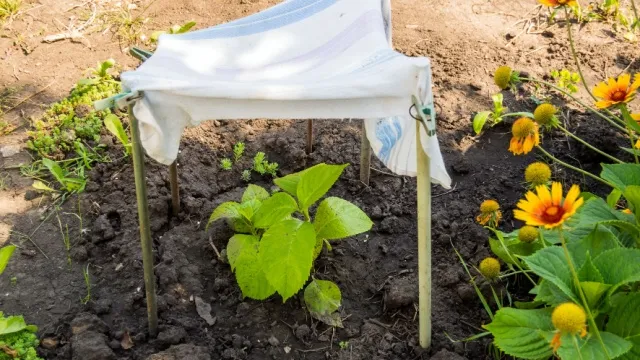
Just as you need sunscreen, your plants may need protection from the sun too. Use shade cloths or umbrellas to shield delicate plants from the scorching sun. Vulnerable potted plants can be moved to a spot with less direct sunlight.
- Removing Dead Flowers
Regularly remove spent flowers from your plants. This encourages new growth and blooms and prevents your plants from wasting energy-producing seeds. Use sharp pruning shears to cut the flowers just above a set of healthy leaves. This keeps your garden looking fresh and colorful.
- Pest and Disease Control
Summer is the time when many pests and diseases appear. Keep a close eye on your plants and inspect regularly for signs of problems such as yellow leaves, holes in leaves, or spots. Use environmentally friendly pesticides or enlist the help of natural pest controllers like ladybirds. They love herbs such as parsley, chives, coriander, dill, and fennel. Also read Eco-friendly gardening: 6 tips
- Fertilizing for Extra Energy
Give your plants an extra boost with a balanced fertilizer. Choose a fertilizer rich in potassium, as it helps with blooming and overall plant health. Fertilizing every 4-6 weeks is usually sufficient during the growing season.
- Keeping Your Lawn Green
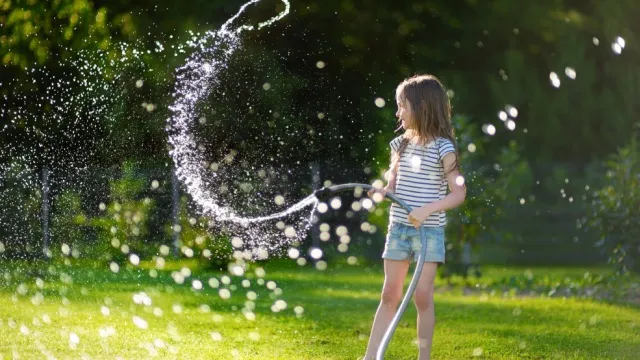
Your lawn can dry out quickly and develop brown patches in summer. Don’t mow the grass too short, as longer blades help retain moisture and protect the roots from heat. Set your mower to a height of 6-8 centimeters. Watering deeply twice a week is better than watering a little every day, as the water needs to penetrate deeply into the soil.
- Maximizing Your Vegetable Garden
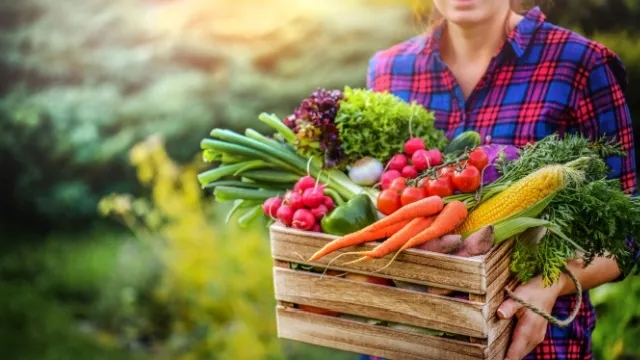
If you have a vegetable garden, now is the time to enjoy the fruits of your labor. To maximize your summer harvest, it’s important to plan. Which plants are best suited to your climate and soil type? Consider factors such as spacing, sun exposure, and water needs when deciding where to plant each crop. Succession planting is a way to keep your garden productive all summer. This means planting new crops as soon as the old ones are harvested, so you always have fresh produce.
- Keeping Your Pond Healthy
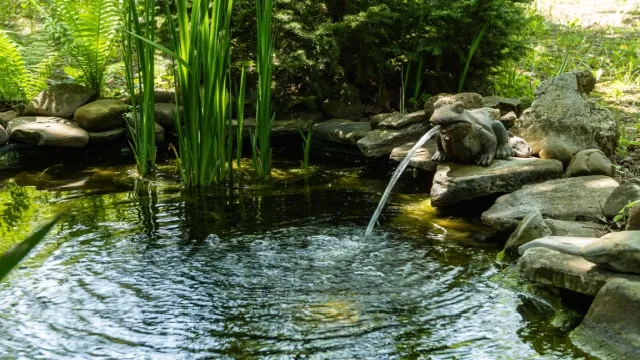
Regularly remove algae and dead leaves to keep the water clean. Check the water level and top up, if necessary, especially during hot periods. Ensure there is enough oxygen in the water by using a fountain or air pump.
- Plan for the Future
Use this time to evaluate what went well and what didn’t in your garden this year. Make plans for the next gardening season and note which plants were successful, which problems occurred, and which new ideas you want to try. For inspiration, read Tips for Your Garden Plan and the Implementation.